Checked for accuracy before publishing
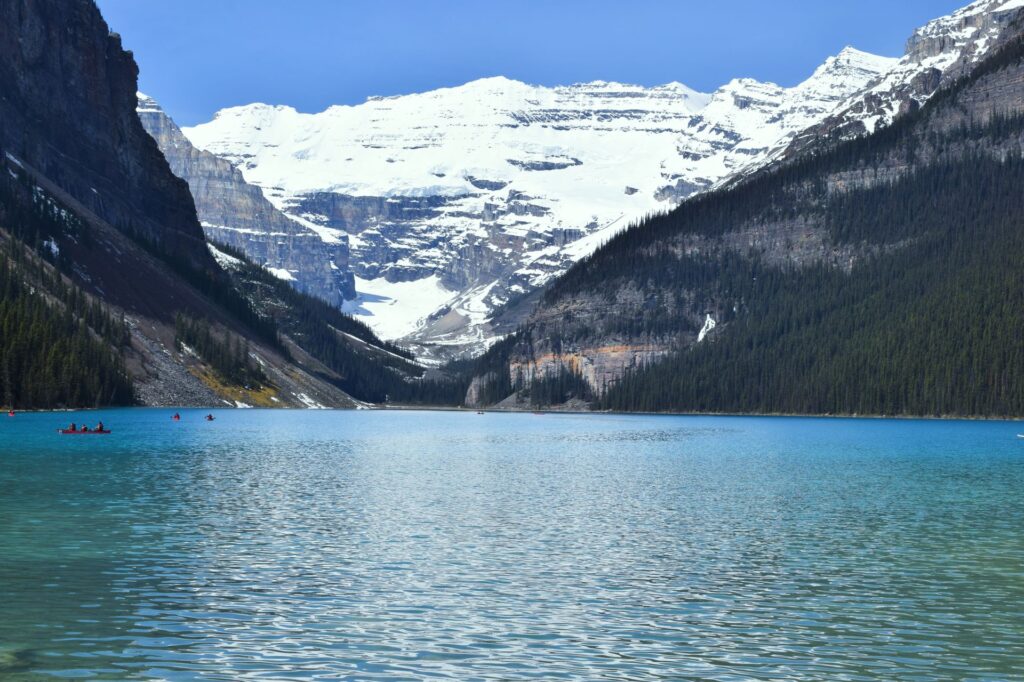
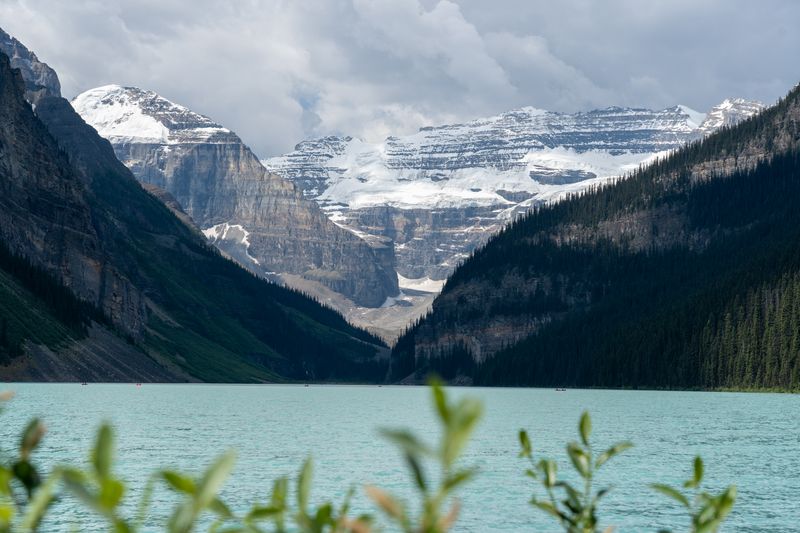
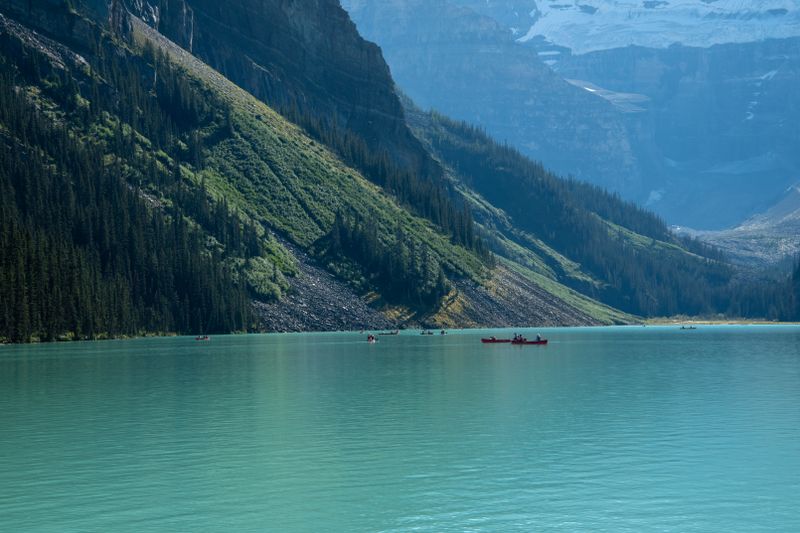
When the crowds vanish and Lake Louise freezes into a silver-blue mirror, the trails around it turn from a summer traffic jam into something closer to wilderness. A private guided hike here in the off-season trades the peak-season scrum for solitude, sharper mountain air, and a guide who actually knows which slopes are safe to walk that particular week — which, this time of year, is not a minor detail.
What’s Included
- A certified local guide matched to current trail and avalanche conditions, not a generic script
- Snowshoes, traction devices, or trekking poles depending on conditions and season
- Route planning around active wildlife closures and terrain that shifts week to week
- Small-group or fully private format — often just you, your companions, and the guide
- Hot drinks or a trailside snack on many itineraries, weather-appropriate layers advice included
- Photo stops timed for empty viewpoints rather than jostling for space at the shoreline
Practical Tips for Visiting Off-Season
Shoulder season (roughly October through May) is when Lake Louise shows its quieter side. The lake stays frozen and snow-covered well into spring, since it sits at high elevation, so this is prime territory for a snowshoe hike rather than a summer stroll.
- Best time: Weekday mornings in November, January, or March tend to be the emptiest — locals treat these as the “secret season.”
- Parking: The scramble for a spot that plagues summer visitors largely disappears once the snow flies; the free-flowing lakeshore lot rarely fills before mid-morning off-season.
- Shuttle note: Parks Canada’s Lake Louise shuttle runs summer only, so outside that window you’re either driving yourself or booking transport with your guide — one less logistics headache handled for you.
- Park pass: You’ll still need a valid Parks Canada day pass or Discovery Pass to enter Banff National Park, priced per adult, per day — inexpensive, but easy to forget if you’re used to city parks with no gate.
- What to bring: Insulated waterproof boots, warm layers, sunglasses (snow glare is intense), and a refillable water bottle. Good guides supply the specialized gear like snowshoes or microspikes.
- Wildlife awareness: Trail closures for grizzly activity or avalanche risk pop up with little warning in the shoulder months — another reason a guide checking daily bulletins is worth having.
Why We Hunted This
On paper, a private guide sounds like the “premium” option you can skip. In practice, off-season Lake Louise is exactly where that logic breaks down. Trail conditions here change fast — a route that’s a gentle snowshoe on Monday can be an avalanche-exposed slope by Thursday, and Parks Canada’s own advisories shift accordingly. A local guide isn’t a luxury add-on so much as the difference between a hike and a hazard.
Then there’s the money math. Renting quality snowshoes or traction gear, buying a park pass, driving yourself into unfamiliar winter roads, and hoping you picked a trail that’s actually open — versus one all-in booking that folds guiding, gear, and route knowledge together — often lands within a similar ballpark once you tally it up, but with dramatically less risk and research time. When you factor in that a solo or family DIY attempt can easily burn half a day just figuring out which trailhead is passable, the guided version starts to look less like an upsell and more like a shortcut.
Add in the fact that off-season Lake Louise is simply prettier without a hundred strangers in every photo, and the case for booking ahead writes itself. This is the kind of experience that rewards planning rather than winging it — which is exactly why it made our list.