Checked for accuracy before publishing
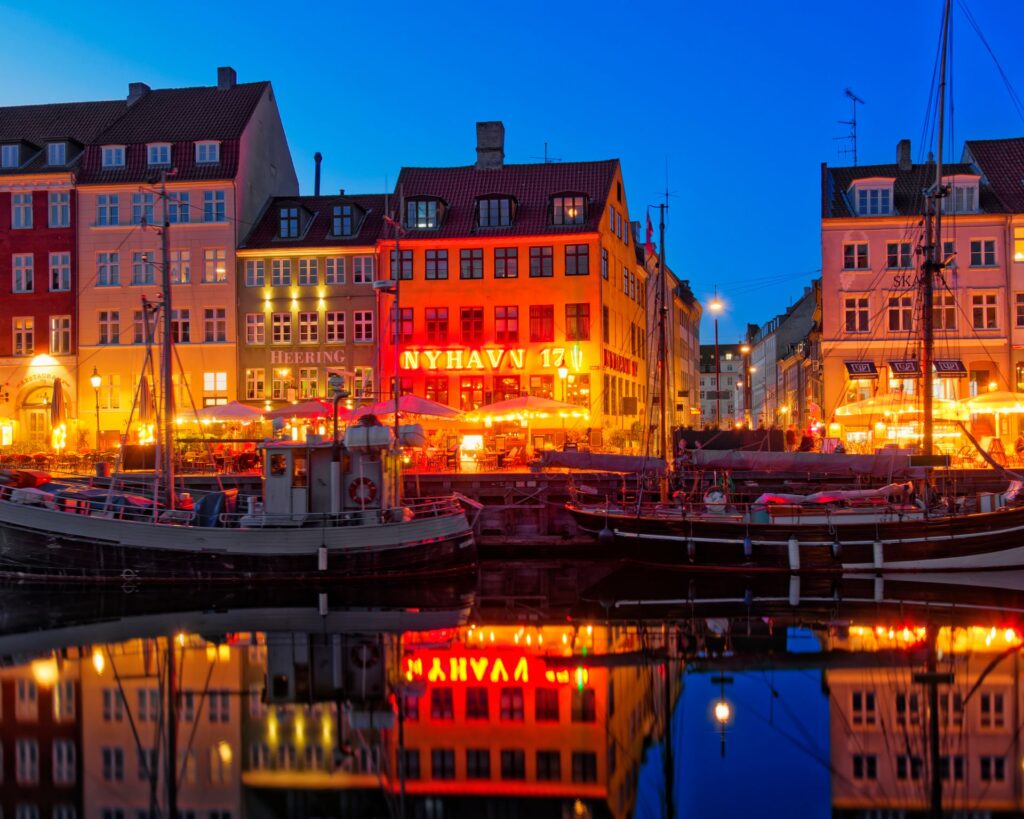
Copenhagen has a reputation for being one of the priciest cities in Europe, and honestly, once you’ve paid for a beer in Nyhavn you’ll believe it. But the best afternoon I’ve had there cost me nothing beyond a bakery pastry and a bus fare I could have skipped. The harbour, the canals, the courtyards tucked behind ordinary-looking doors — almost all of it is free if you know where to walk and when.
What’s Included
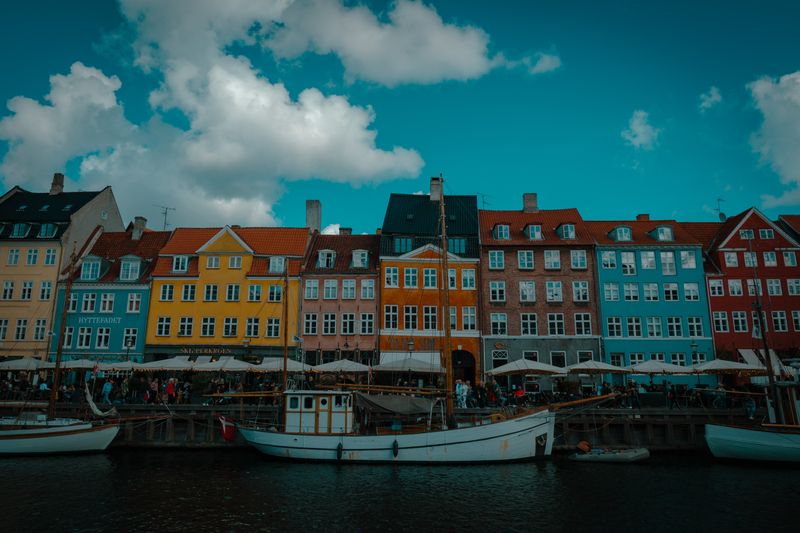
- A self-guided harbourside loop from Nyhavn across the Inderhavnsbroen (“Kissing Bridge”) into Christianshavn’s houseboat canals
- Freetown Christiania — free to wander through the self-governing community’s leafy paths and street art (just don’t photograph on Pusher Street)
- Assistens Cemetery in Nørrebro, a park-like graveyard where Hans Christian Andersen is buried and where locals sunbathe on the grass between headstones
- The ochre-yellow terraces of Nyboder and the pastel Potato Row (Kartoffelrækkerne) houses, two of the city’s most photographed streets and both entirely public
- Hidden inner courtyards (“gårde”) in the old city and Christianshavn, plus the communal gardens of Brumleby’s old cholera-era cottages
- The King’s Garden at Rosenborg, free to enter even though the castle behind it isn’t
Getting the Timing Right
Go early. Nyhavn by 8am belongs to joggers and delivery vans, not tour groups, and the light on the gabled houses is better anyway. By midday the canal edge fills with cruise-ship crowds and the restaurants there will happily charge you tourist prices for a coffee you could get for less two streets back.
Christiania is best visited in daylight and on a weekday afternoon when it’s calmer and the vibe is more curious-wander than gawking-crowd. Assistens Cemetery is loveliest in the golden hour before it closes, when the cyclists cutting through on their commute home outnumber the visitors.
A few practical notes:
- Wear proper walking shoes — cobblestones in Christianshavn and Nyboder are charming and ankle-testing in equal measure.
- Bring cash-free payment only; Denmark is about as close to cashless as a country gets, and most small kiosks don’t want your coins anyway.
- Skip the car. Central Copenhagen’s street parking runs on paid zones during weekday business hours in most areas, though many zones ease off or turn free in the evenings and on Sundays — check the signage or the local parking app before you assume anything, because rules shift block by block and the fines don’t discriminate by nationality.
- Rent a bike for a half-day instead. It’s cheap, it’s how locals actually get around, and it turns a two-hour walk into a much bigger loop for a small extra outlay.
Why We Hunted This
Copenhagen’s paid attractions are genuinely good, but they’re also genuinely expensive, and a lot of the city’s best character isn’t behind a ticket booth at all. The canal-front view from the free side of the water is the same view the pricey canal boat tour sells you, minus the commentary. The courtyards and residential streets that fill up Instagram feeds cost nothing to see because they’re just where people live.
Add up what a typical visitor spends on a canal tour, a Round Tower ticket, a couple of taxis between sights and metered parking for a day, and you’re easily into the £30-50 range before lunch. Walk it instead — harbour, bridges, cemetery, courtyards — and you can cover most of that same ground on foot for roughly the price of a coffee and a bus ticket, saving that budget for the one paid attraction that’s actually worth it to you.
That’s the whole point of this one. Copenhagen doesn’t need to be expensive to be memorable — it just needs a decent pair of shoes and a rough idea of which bridges are free to cross.