Last updated: 27 Jul 2026
Most Anantara properties promise sea views and spa treatments — this one adds a lunar-looking landscape of shifting red and white dunes a short drive from the pool deck. Anantara Mui Ne Resort sits on a former coconut plantation on Vietnam’s south-central coast, using its unusually dramatic backyard as the reason to book here over any other Anantara in the region. It’s the rare beach resort where the desert excursion is just as photogenic as the infinity pool.
The Stay: Rooms, Pools, Spa & Dining
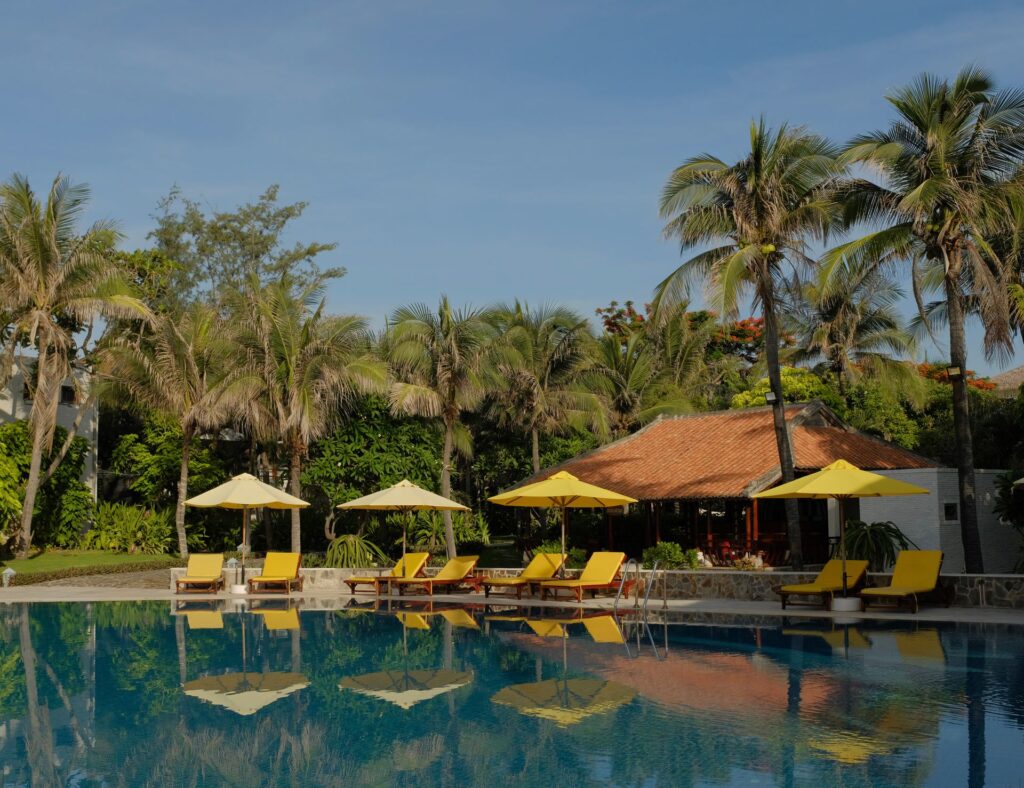
The resort keeps things intimate with 70 rooms and suites in the main building, and 20 pool villas closer to the beach, so you’re choosing between garden-facing suites or a private plunge pool a few steps from the sand. The décor blends contemporary and traditional Vietnamese styles, a nod to the site’s history as a working coconut grove before it became a hotel.
- An infinity pool with loungers overlooking the ocean, plus a swim-up bar for the (very common) mid-afternoon cocktail
- Games and yoga on the beach, and a state-of-the-art fitness centre for anyone who overdid the breakfast buffet
- A beachfront spa built for treatments with a sea breeze rather than piped-in whale sounds
- A kids’ club that actually lets adults use the infinity pool in peace
- Breakfast built around Vietnamese iced coffee, freshly baked pastries, tropical fruits and live cooking stations, with à la carte lunch featuring bistro and Asian fare
- Dinner options split between a lagoon-facing terrace and a spot serving locally caught seafood overlooking the beach
Why Mui Ne Beats Any Other Anantara Beach
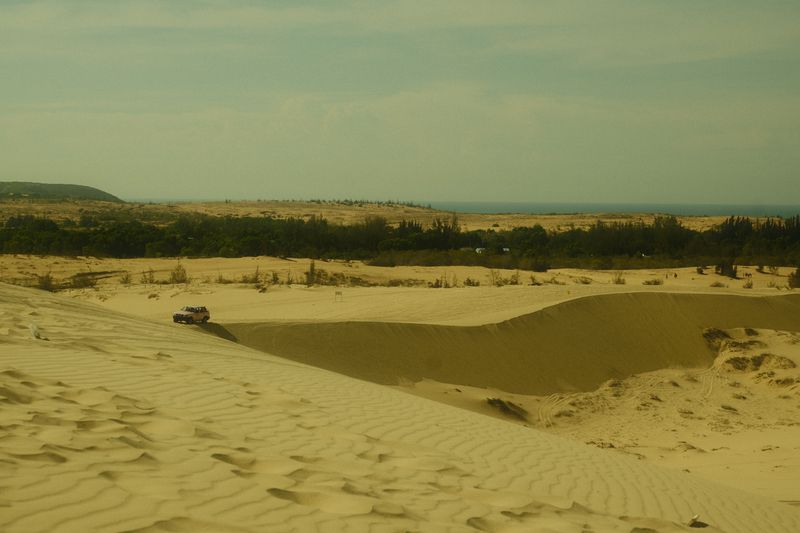
This is the part that actually sells the location. Vietnam has plenty of white-sand beach resorts; almost none of them are 20 minutes from a genuine desert. The Red Sand Dunes are less than a 20-minute drive from the resort, and the paler, larger White Sand Dunes are about 45 minutes away — go early, since the sand turns punishing underfoot once the sun is properly up and the jeep-and-quad-bike crowds arrive (a guided sunrise jeep tour gets you there before both).
Closer still is the Fairy Stream (Suối Tiên), a shallow, ankle-deep creek you wade through beneath eroded red-and-white canyon walls — no boots required, just old shoes you don’t mind getting wet. Entry runs to only a few thousand Vietnamese dong per person, making it one of the cheapest genuinely surreal walks in the country.
The resort itself takes its name from the working fishing village a short walk north, where boats still set off on and return from daily voyages and can be hired for leisurely trips along the coast. Add the 8th-century Cham Towers just 10 minutes to the west and you’ve got a genuinely varied day trip menu that no other Anantara beach property in Southeast Asia can match.
Extend the Trip
Since Mui Ne is already framed as a 2.5-hour hop from Saigon, it makes sense to bookend the beach time with a couple of nights in the city rather than treating the resort as an isolated trip. Fly in, do Saigon first (or last), then take the drive out to the coast to decompress — the reverse order works just as well if you want to end on caffeine and chaos rather than quiet mornings by the pool.
If you’re based in Saigon anyway, the Cu Chi Tunnels are a genuine half-day option rather than a stretch: the tunnels sit roughly 40–50 km northwest of central Ho Chi Minh City, and most sources put the drive at 45–60 minutes by road from downtown, depending on traffic, though it can run longer at peak times. A visit itself is quick — a half-day tour focused solely on the tunnels typically takes 5-6 hours including travel — which is why many operators combine it with the Mekong Delta or Cao Dai Temple as a full 10-12 hour day.
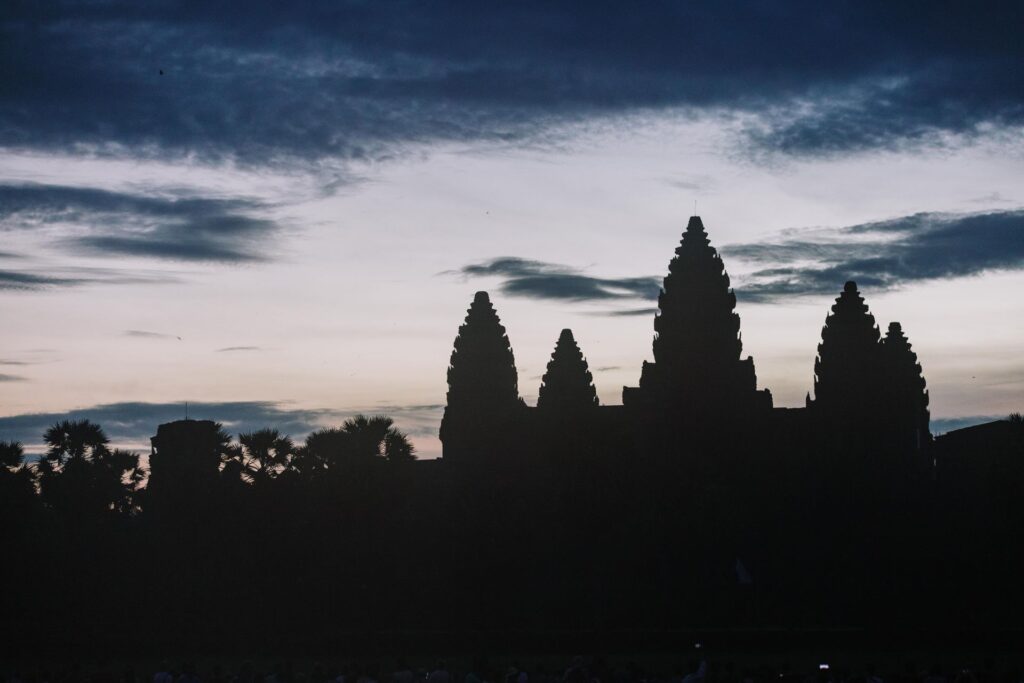
For a much bigger detour, some operators run multi-day boats from the Ho Chi Minh City area up the Mekong into Cambodia and on to Siem Reap for Angkor Wat — this is real and bookable, not a stretch of the imagination. Aqua Expeditions runs year-round itineraries departing from Ho Chi Minh City, Phnom Penh, and Siem Reap, and similar routes from operators like CroisiEurope and Adventure-Life typically run 7 to 9 days end to end. That’s a proper standalone trip requiring its own visa and planning, not something to tack onto a Mui Ne beach break.
Practical Tips
- Visit the dunes at sunrise or late afternoon — the sand is cooler and the light is far more dramatic for photos
- Pack closed-toe shoes you don’t mind ruining for the Fairy Stream, plus a dry bag for your phone
- Dry season (roughly November to April) brings the steadiest weather and is also peak kitesurfing season on this stretch of coast, so book pool villas early
- Factor in the drive: it’s a two-and-a-half-hour drive from the resort to Ho Chi Minh City or the airport, so build that into arrival-day plans rather than rushing straight to dinner

Why We Hunted This
Anantara’s beach resorts across Southeast Asia often compete on nearly identical merits — pool, spa, sunset. Mui Ne wins by default because there’s nowhere else in the portfolio where you can trade the infinity pool for a desert dune buggy before lunch. Rates on villas here typically undercut comparable beachfront pool-villa properties in Phuket or Bali by a noticeable margin, often somewhere in the range of 20-30% for a similar villa category, simply because Vietnam’s luxury coastline hasn’t been priced up to match its scenery yet.
Booking through the right channel and travel dates can stretch that gap further, especially outside the November-to-April high season. For a property that pairs genuine landscape novelty with the reliability of a global hotel group, it’s one of the more defensible splurges we’ve flagged this year.