Last updated: 4 Sep 2026
Cancun and Tulum have a reputation for pricey beach clubs, $20 cenote tours, and resort day-passes that eat your whole budget in one afternoon — but the truth is most of the best swimming spots on this coast are either legally free or cost next to nothing if you know where to go and when. Mexican beaches are public property by law, and the region is dotted with community-run cenotes that charge a fraction of what the big tour-bus stops do. This guide is about stacking those free and cheap options into one very affordable Yucatán day.
Why This Works
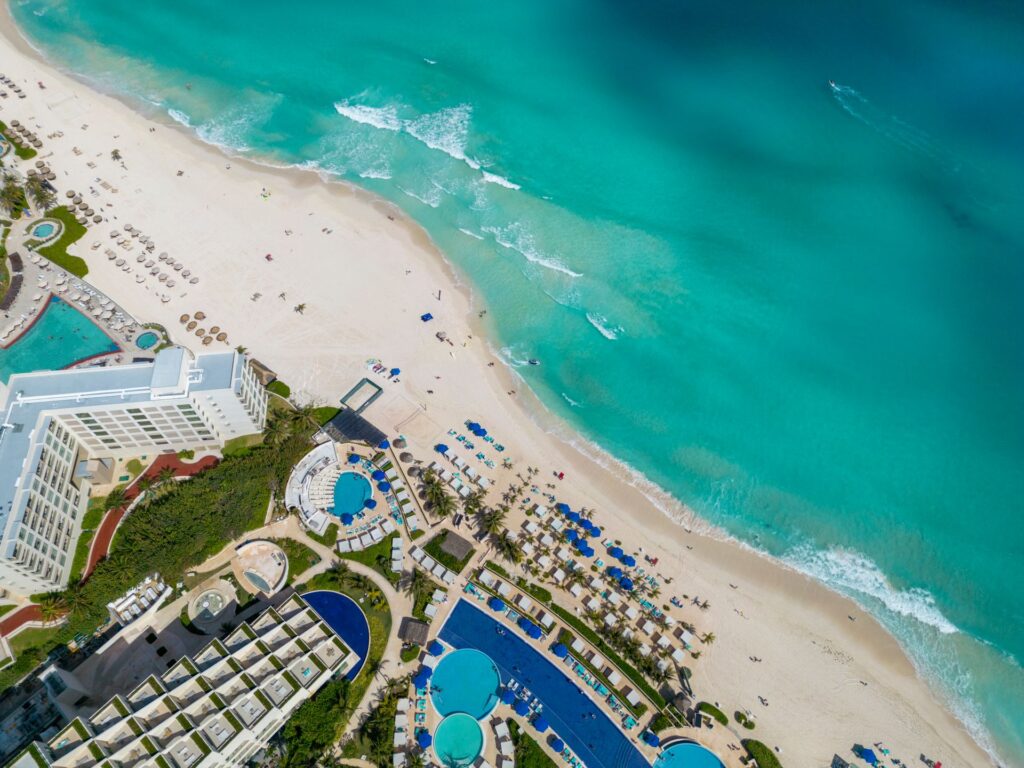
- Every beach in Mexico is federally owned land up to the high-tide line, so even the sand in front of five-star resorts and beach clubs is technically public — you can walk on and swim for free, you just can’t use their loungers without paying.
- Playa Delfines, one of the most photographed beaches in the Cancun hotel zone, is a public municipal beach with no entry fee.
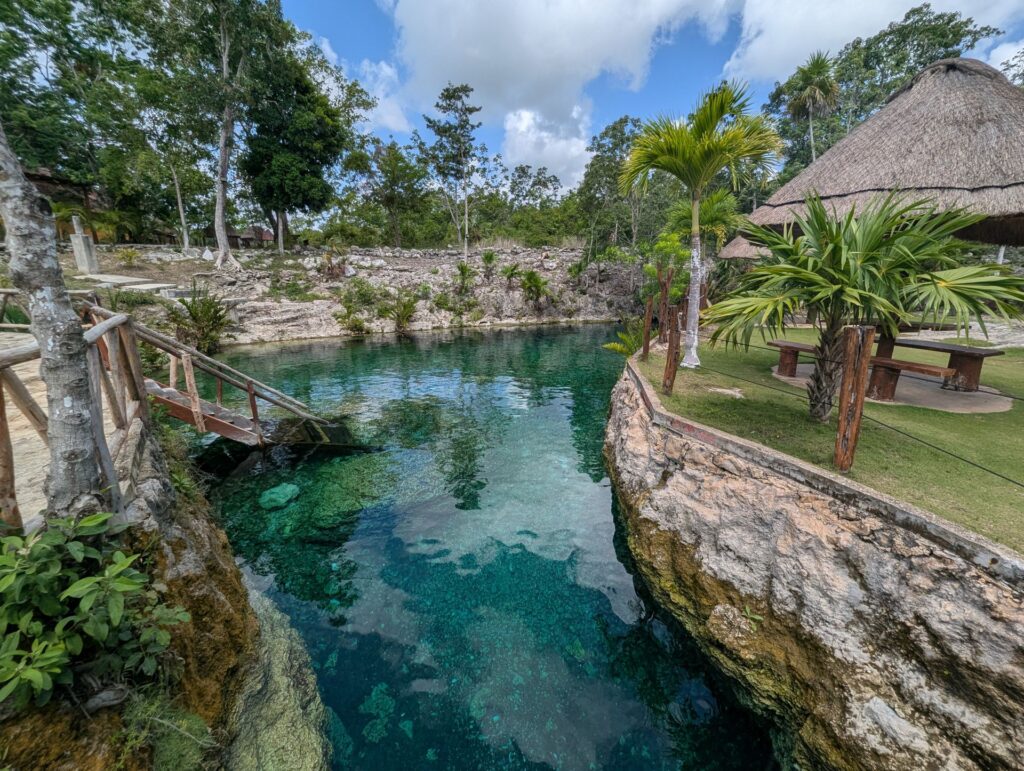
- Smaller, community- and ejido-run cenotes inland from Tulum charge modest local entrance fees instead of the higher prices at the famous, heavily marketed ones.
- Renting a bike or hopping a colectivo (shared van) instead of a rental car or taxi cuts out parking fees almost entirely.
- Visiting early morning means you dodge both the crowds and the priciest guided-tour time slots, so you’re swimming, not queueing.
- Bringing your own snorkel gear, towel, and biodegradable sunscreen avoids the rental markups charged at almost every cenote entrance.
Practical Tips: Timing, Crowds, and What to Pack
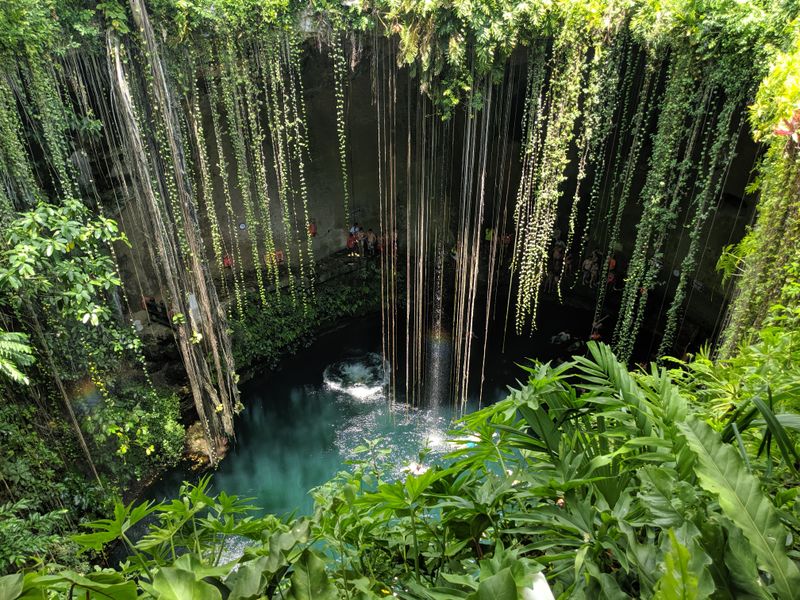
Cenotes and beach clubs alike get hit by tour buses roughly mid-morning through early afternoon, once day-trippers arrive from Cancun and Playa del Carmen. Arriving at opening time — most cenotes unlock their gates early — gets you clear water and empty photos before the groups show up.
- Best time of day: First thing in the morning for cenotes (before the tour vans arrive) and either early morning or late afternoon for beaches, when the sun is gentler and the sand isn’t packed.
- Avoiding parking fees: Tulum’s cenotes and beach road both charge for car parking; renting a bike in town or using colectivos along the highway sidesteps that cost completely, and colectivos are also far cheaper than a taxi.
- Cash is king: Small, family-run cenotes rarely take cards, so carry small-denomination pesos for entrance fees and locker rentals.
- What to bring: Water shoes (many cenote entries are rocky or slippery), a dry bag, your own snorkel mask, and mineral/oxybenzone-free sunscreen — several cenotes now require it and will sell you their own at a markup if you show up without it.
- Beach club workaround: If a beach in front of a resort looks “private,” walk in from a public access point or a neighboring stretch of sand — the beach itself is public, it’s only the furniture that isn’t.
- Skip the guided cenote tour: Many of the popular cenotes are reachable by bike, colectivo, or short taxi ride from Tulum town, meaning you only pay the entrance fee, not a tour markup on top.

Why We Hunted This
A single all-inclusive “cenote and beach” excursion booked through a hotel concierge can easily run into the hundred-dollar range per person once transport, guide, and entry fees are bundled in. Doing it independently — public beach plus a self-guided visit to a smaller, community-run cenote — typically costs a small fraction of that, mostly just the local entrance fee and a bike or colectivo fare.
The gap gets even bigger for families or groups, since bundled tour pricing multiplies per head while a shared colectivo ride or a rented bike stays roughly flat. Skipping the rental sunscreen, snorkel gear, and locker upsells at the entrance gates saves a bit more on top.
None of this requires sneaking past a gate or bending any rules — it’s simply using the fact that Mexican beach law and the region’s smaller cenote network already favor budget travelers who are willing to go a little further off the main tour-bus route. That’s the whole hunt: same turquoise water, a lot less money changing hands.
Frequently Asked Questions
Are beaches free in Cancun and Tulum?
Yes – every beach in Mexico is federally owned land up to the high-tide line, so the sand in front of resorts and beach clubs is public and free to walk and swim on; you just cannot use their loungers without paying.
Is Playa Delfines free?
Yes, it is a public municipal beach in the Cancun hotel zone with no entry fee.