Last updated: 27 Jul 2026
Travel insurance sounds like one of those “just in case” purchases you can skip until something goes wrong — and then it’s the difference between a minor inconvenience and a five-figure medical bill. In 2026, with many travelers assuming their regular health insurance covers them abroad (it usually doesn’t) and airlines quietly cutting back on compensation, a decent policy is cheaper than ever if you know where to look. Here’s what it actually covers, what it doesn’t, and how to get solid cover without overpaying.
What’s Included
- Emergency medical treatment and repatriation — usually the biggest-value part of any policy, covering hospital stays, ambulances, and flights home if you’re seriously ill or injured abroad.
- Cancellation and curtailment — reimburses non-refundable flights, hotels, and tours if you or a family member falls ill before you travel, or you have to cut a trip short.
- Lost, delayed, or stolen baggage — pays out for essentials if your bags don’t arrive, plus compensation for lost items (though payout caps are often lower than people expect).
- Delayed departure cover — a fixed amount per hour of delay after a set threshold, separate from any airline compensation you might claim.
- Personal liability — covers you if you accidentally injure someone or damage property while travelling.
- Optional add-ons — winter sports, cruise cover, gadget cover, and “scheduled airline failure” protection are usually extra, not standard.
What It Won’t Cover (Read the Small Print)
- Pre-existing medical conditions you haven’t declared — this is the single biggest reason claims get rejected.
- Alcohol-related incidents, extreme sports without the right add-on, or travel against official government travel advisories.
- “Disinclination to travel” — changing your mind isn’t the same as cancellation cover kicking in.
- Anything above your policy’s single-item or total baggage limit — camera gear and laptops often need separately declaring.
How to Get Cover Cheaply (Not Free, But Close)
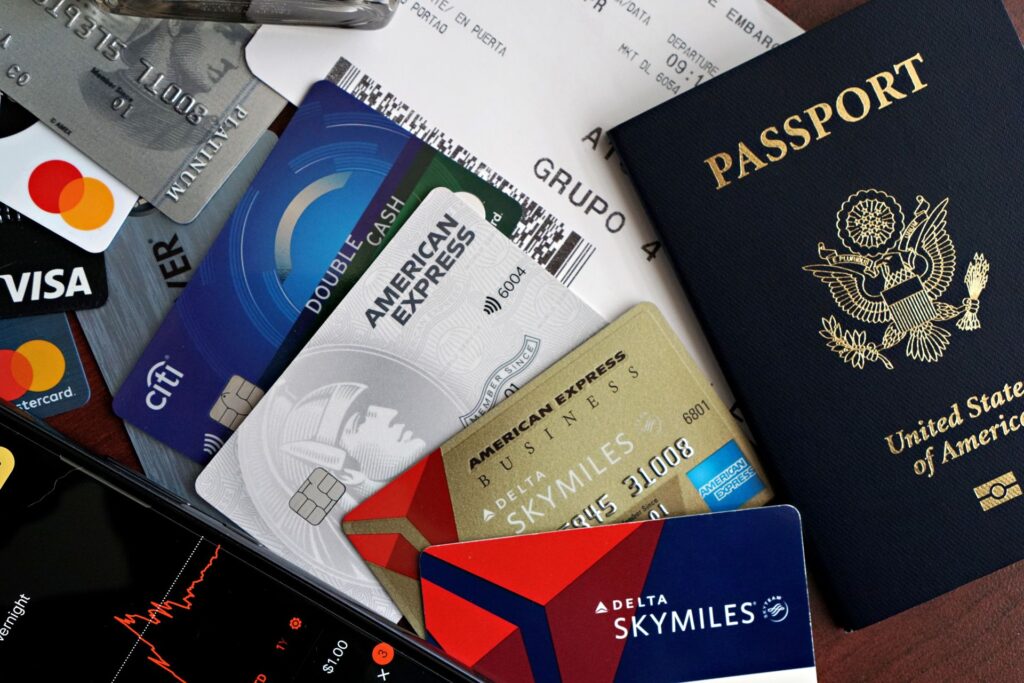
- Check your credit card benefits first. Many premium travel credit cards include annual multi-trip travel insurance as standard — if you’re already paying an annual fee for one, this can genuinely be a free policy.
- Buy annual multi-trip over single-trip if you’re taking more than two trips a year — it usually works out cheaper than buying single-trip cover each time, even for as few as two or three holidays.
- Compare via aggregator sites rather than going direct to one insurer — prices for identical cover can vary noticeably between providers.
- Buy as soon as you book, not the week before departure. Cancellation cover only protects you from the date of purchase, so delaying it leaves a gap.
- Declare medical conditions honestly — specialist insurers exist for pre-existing conditions and are often not much pricier than standard policies once you factor in the risk of a rejected claim.
- Check reciprocal healthcare agreements for the country you’re visiting as a genuinely free backup for reduced-cost state healthcare — but treat it as a supplement, not a replacement for insurance.
Why We Hunted This
We keep seeing the same story: someone skips insurance to save what feels like a small amount upfront, then faces a medical or cancellation bill running into the thousands. A decent annual multi-trip policy for a couple typically costs roughly the same as one night in a mid-range hotel — a small trade-off against a worst-case scenario that could otherwise wipe out an entire year’s travel budget.
The bigger saving, though, is in not overpaying for cover you don’t need. Plenty of travellers buy single-trip policies year after year when an annual one would have paid for itself after the second holiday, or they double up on cover already included free with their credit card.
Our take: spend fifteen minutes comparing policies before you book anything else. It’s the least exciting part of trip planning, but it’s the one purchase that quietly protects every other dollar you spend on the holiday itself.