Last updated: 31 Jul 2026
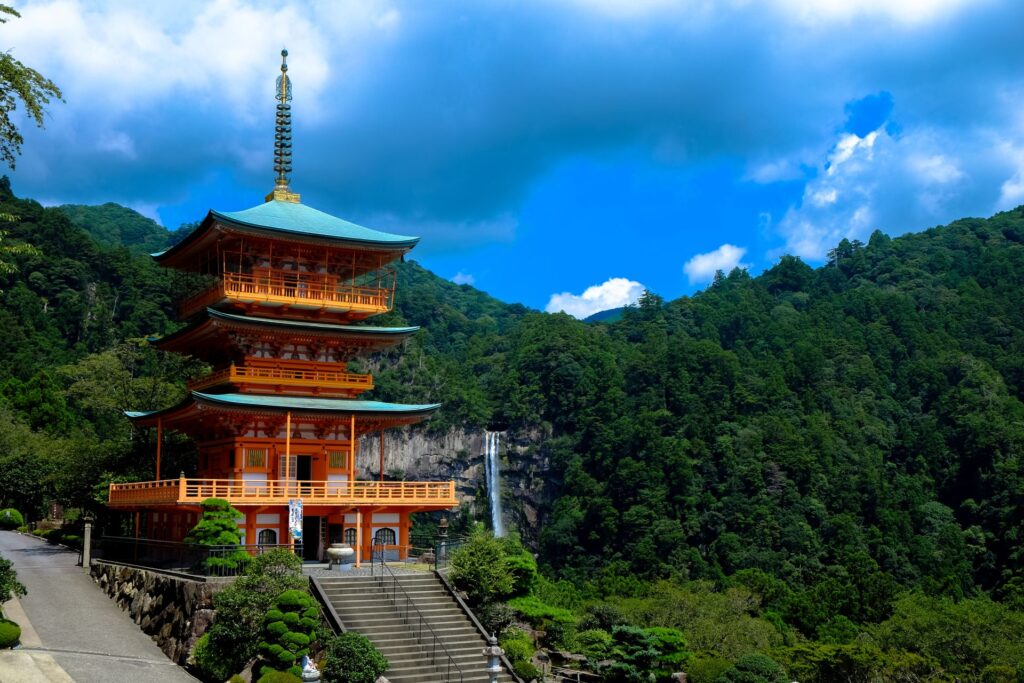
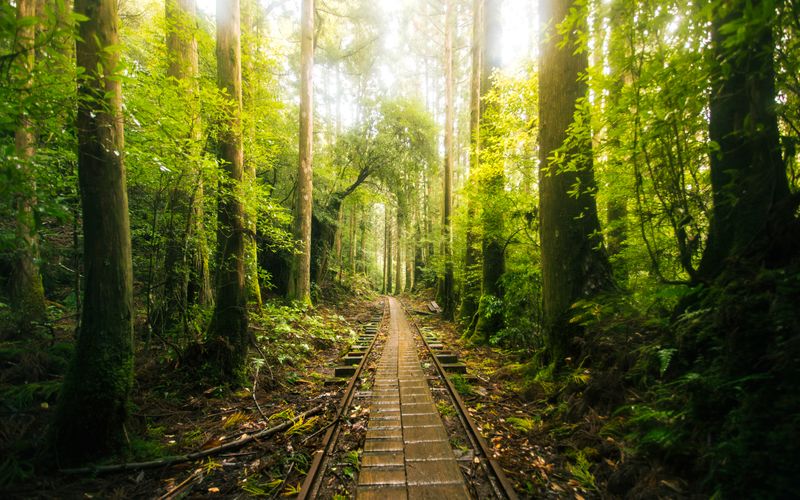
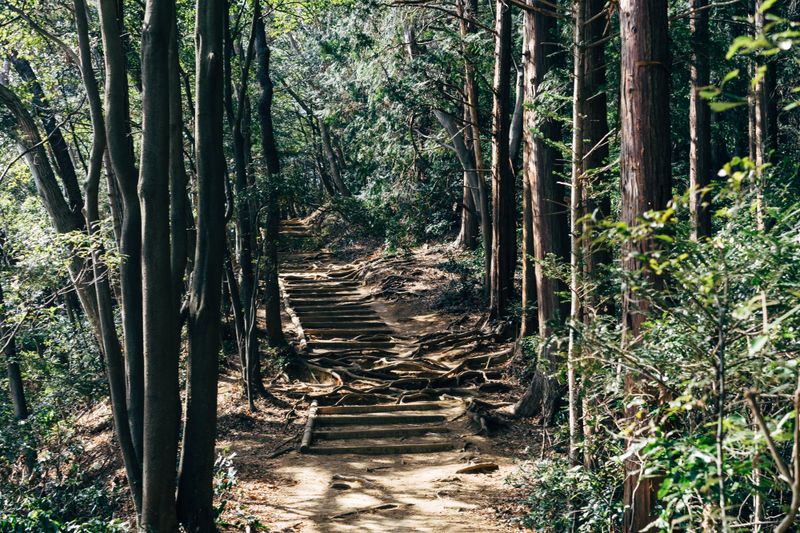
Deep in Japan’s Kii Peninsula, hidden under moss-covered cedar and centuries of imperial footsteps, the Kumano Kodo isn’t just a hike — it’s one of only two pilgrimage routes on Earth with UNESCO World Heritage status, the other being Spain’s Camino de Santiago. A private guide turns this remote, logistically tricky trail into a seamless day (or multi-day) walk through sacred shrines, waterfall views, and mountain villages most tourists never reach.
Why This Works
- A private, English-speaking guide handles route-finding on trail sections that are poorly signed in English and easy to lose in dense forest.
- The Nakahechi pilgrimage route starts from Tanabe on the western coast of the Kii Peninsula and traverses east into the mountains towards the Kumano grand shrines, and a guide sequences the best stretches so you see the highlights without backtracking or missing connections.
- You skip the guesswork of Japan’s rural bus timetables, which run only a handful of times a day and can strand hikers at trailheads for hours.
- Guides carry historical and spiritual context — why pilgrims have walked this exact path for over a thousand years — that self-guided hikers simply Google-search and miss.
- Daimon-zaka is a cobbled slope about 600m long on the Nakahechi Route, a pilgrimage route to the Kumano Nachi Grand Shrine and Nachi Falls, and a good guide times your arrival to avoid the worst of the tour-bus crowds at this iconic stretch.
- Pacing is built around your fitness level rather than a fixed group itinerary, so you’re not stuck matching the slowest or fastest hiker in a crowd tour.
Practical Tips
Timing matters more than most travelers expect. Spring (March to May) and autumn (September to November) offer the best hiking in Kumano Kodo, and usually the peak hiking seasons to enjoy the blooming blossoms as well as those red and gold autumn leaves. Outside those windows, summer brings heat and humidity, while winter can be quiet but cold at higher elevations.
- Avoid crowds: Start early morning at trailheads like Takijiri-oji or Daimon-zaka, before day-tour buses arrive from Kii-Katsuura and Shirahama.
- What to bring: Sturdy trail shoes (sections are steep stone steps, not gravel paths), layered clothing, a refillable water bottle, and cash — many mountain rest stops don’t take cards.
- Bus logistics: Rural bus schedules are sparse; missing the last connection back to your accommodation can mean a long, expensive taxi ride, which is exactly the kind of headache a guide plans around in advance.
- Shoulder-season bonus: Late spring and early autumn weekdays tend to be quietest, giving you long stretches of forest trail to yourself.
Why We Hunted This
Self-guided Kumano Kodo itineraries are absolutely doable, and plenty of hikers do it solo. But the moment you factor in bus timetables that run only a few times daily, trail junctions with minimal English signage, and the risk of a missed connection turning into a stranded evening in a mountain village, the appeal of a private guide becomes obvious rather than indulgent. We compared piecing together transport, accommodation transfers, and route navigation independently versus booking a private guided day (or multi-day) hike, and the gap in total hassle — not just cost — is significant. You’re typically looking at paying somewhat more than a self-guided pass or group tour, but the difference often buys back an entire day you’d otherwise spend deciphering timetables and rechecking maps at every fork in the trail. For a trail this historically rich — the Kumano Kodo and Camino de Santiago were formally designated “Sister Pilgrimage Routes” in 1998, and hikers who complete both can even apply for a joint Dual Pilgrim certificate — having someone fluent in both the terrain and the story behind it turns a long walk into something closer to a pilgrimage experience, which is really the whole point of coming here in the first place.