Last updated: 15 Oct 2026
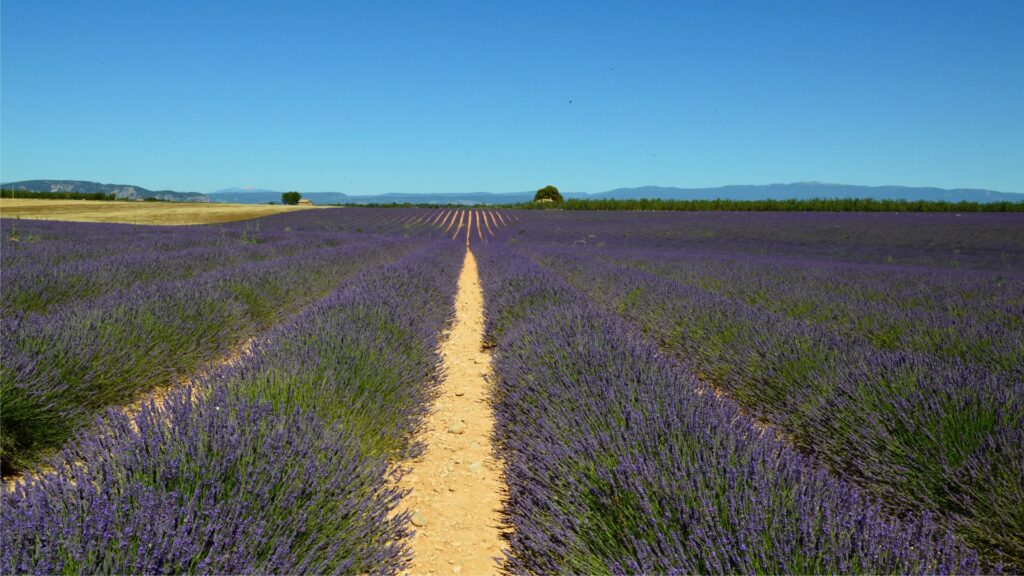
Everyone’s seen the photo: an old stone abbey wrapped in violet rows, a woman in a straw hat crouching for the perfect shot while forty other people wait their turn behind her. That’s Sénanque or Valensole in peak July, and it is genuinely stressful to visit if you don’t plan around it. The lavender itself is free. It’s the parking touts, the tour coaches and the queue-jumping that cost you money and patience, and almost all of that is avoidable if you shift your timing and your target field.
What’s Included
- How to see the Abbaye de Sénanque lavender without paying for the abbey’s paid areas or getting stuck in the one-way coach queue
- Why the Plateau de Sault beats Valensole for anyone who actually wants to breathe the lavender scent alone
- The exact window (by week, not just “summer”) when bloom is at its most photogenic
- Free roadside pull-offs along the official Routes de la Lavande that locals actually use
- A rainy-day, low-cost backup if the fields aren’t blooming yet
- What not to bother paying for, because it isn’t worth it
Practical Tips
Timing the bloom: lavender doesn’t open on a fixed date, it depends on altitude and the year. As a rule, late June and early July are usually the strongest dates for the Luberon and Valensole, while mid-July is better for the higher areas around Sault and Mont Ventoux. If you’re only in Provence for one specific week, check a current-year bloom tracker before you book flights, because a hot spring can push everything forward by ten days.
Skip Valensole, go to Sault: Valensole gets the Instagram fame and the coach traffic to match. The Pays de Sault plateau grows the same fine lavender, sits higher up, and stays noticeably quieter. One long-time visitor to the region put it simply: “Less touristy than other Provence lavender fields, it’s a great place to experience authentic Provençal lavender without the crowds.” Because it blooms slightly later than the lower valleys, it’s also your backup plan if you show up too early for Valensole.
Sénanque without the squeeze: the fields in front of the abbey are visible, and photographable, from outside the fence for nothing. Walking up to the wall and along the access road costs you no ticket at all, and there’s a car park at the site that doesn’t charge. The catch is the road down from Gordes narrows to one-way traffic in peak season and fills fast, so arrive at first light, well before the tour buses start their loop around mid-morning. If you actually want to walk inside among the rows, that’s a paid abbey ticket, and it buys you only a handful of trimmed rows near the wall, not the wide-open plateau photo everyone imagines.
- Go at sunrise or the last hour before sunset. Midday sun flattens the colour in every photo and the heat is brutal for walking field edges.
- Drive, don’t tour-bus. A rental car lets you pull onto the countless free roadside verges along the signed Routes de la Lavande, where farmers genuinely don’t mind a few minutes of respectful photos from the track edge.
- Never walk into a working field. It’s someone’s harvest and their livelihood, and locals notice.
- Bring water, a hat and cash coins for small honesty-box lavender stalls at farm gates, which are cheaper than any gift shop.
- Weekdays beat weekends everywhere, but especially at Sénanque and Valensole’s main viewpoint pull-offs.
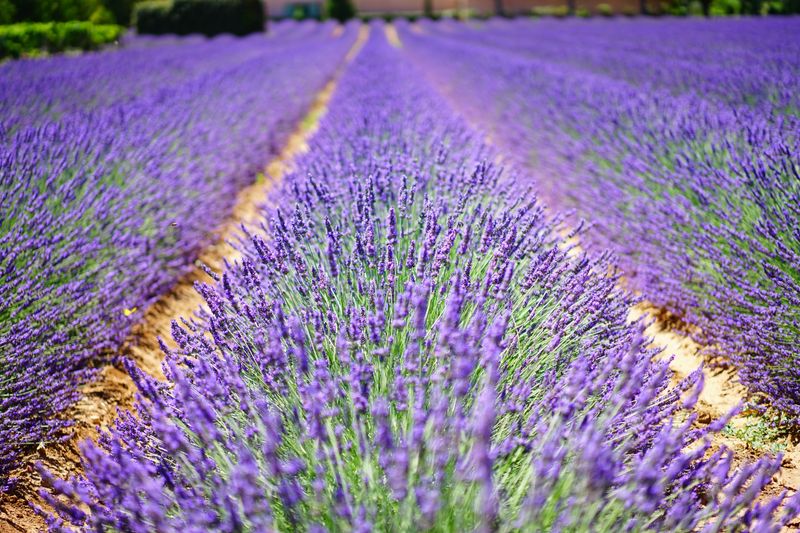
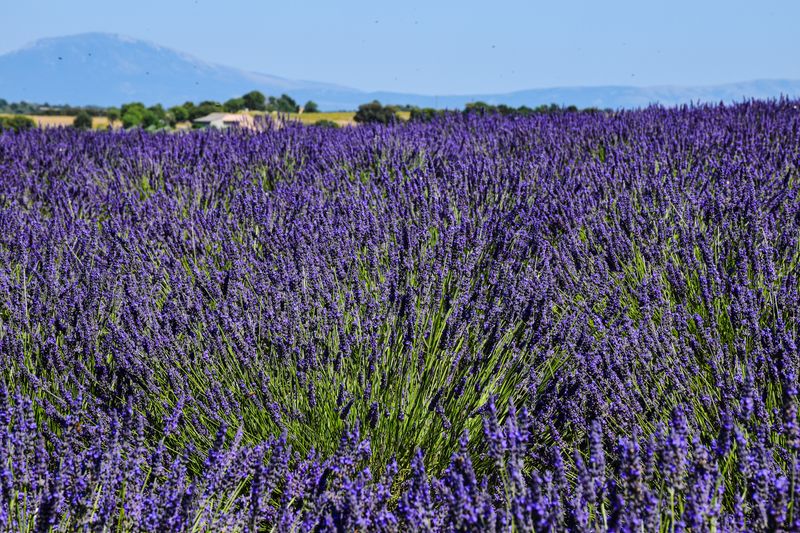
Why We Hunted This
Group day tours from Aix or Avignon that bundle in Valensole, Sénanque and a Luberon village typically run to a fairly hefty per-person cost once you add lunch and the abbey entry fee, and you’re on their schedule, arriving with fifty other camera phones exactly when the light is worst. Doing this yourself with a rented or your own car costs you fuel and maybe a coffee stop, nothing else, and you choose your own sunrise slot.
The actual lavender doesn’t have a velvet rope around it. The only things you’re really paying for elsewhere are convenience and company you didn’t ask for. Cut those out, go to Sault instead of Valensole, and you get a better photo for roughly the price of a tank of petrol split between however many people are in the car.
We keep coming back to this stretch of Provence because it rewards patience over budget. Time your visit by the week, not the month, pick the plateau nobody’s talking about, and the whole trip costs next to nothing beyond what you’d spend on any normal day out.