Last updated: 4 Sep 2026
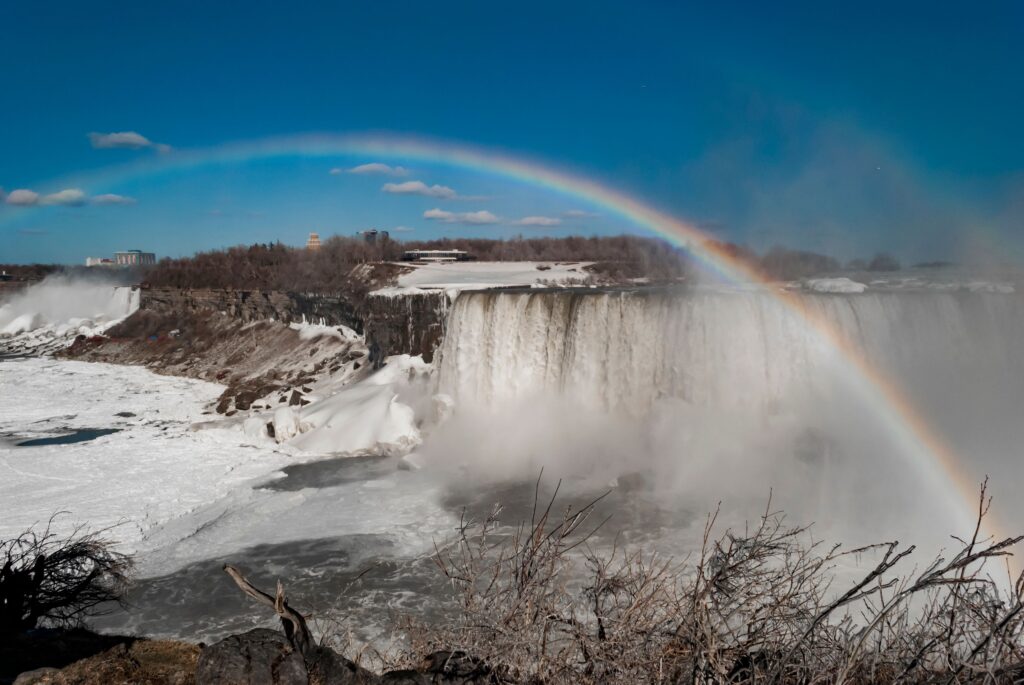
Niagara Falls is one of the only world-class natural wonders you can see up close without paying a cent — on either side of the border. Between free public parks, nightly illuminations, and a bit of smart parking strategy, you can spend a full day (or two) admiring the Falls and only pay for coffee. Here’s exactly where to stand, when to go, and how to dodge the parking traps.
Why This Works
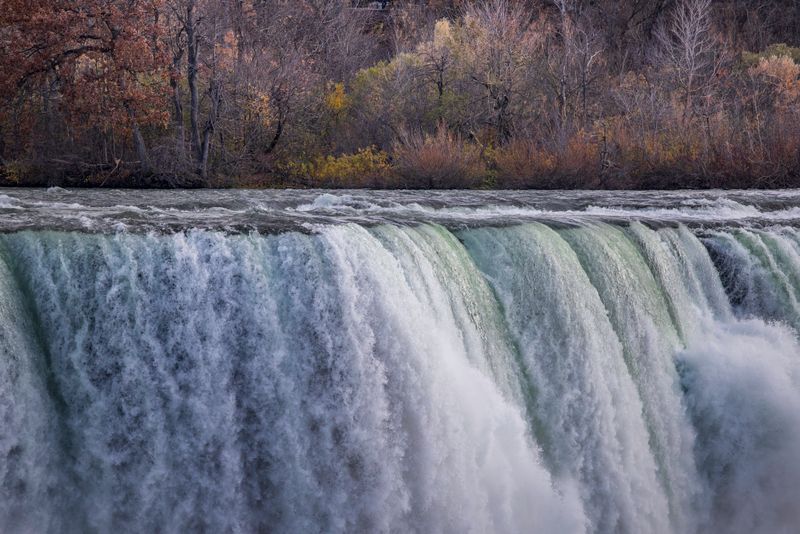
- Queen Victoria Park on the Canadian side is free to enter, making it an affordable option for families and travelers looking to enjoy the natural beauty of Niagara Falls without additional costs, and it sits directly across from the Horseshoe Falls.
- Table Rock, right next to Queen Victoria Park, is the closest free viewing point to Horseshoe Falls, where you see the full colour cycle essentially at eye level with the cascade.
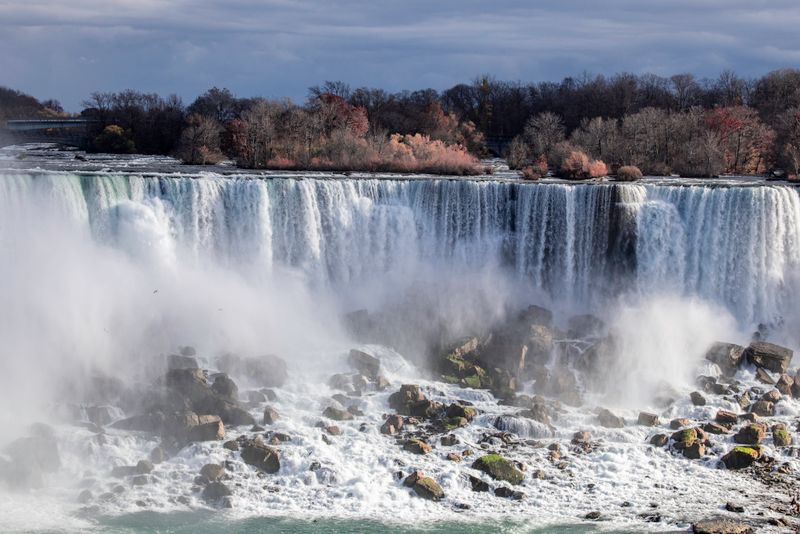
- On the American side, Niagara Falls State Park charges a vehicle use fee to enter the facility but is always free to just walk in — Prospect Point’s observation deck is included.
- The Falls are lit up in a rainbow of colors every night, a tradition run by the bi-national Niagara Falls Illumination Board, and it costs nothing to watch from either riverbank.
- From May through September, fireworks run every Friday night at approximately 10:00 pm, visible free from Table Rock, Queen Victoria Park, and Clifton Hill.
- Whirlpool State Park, a short drive from the main falls on the US side, is open year-round, dawn to dusk, and as part of Niagara Falls State Park, it is free to enter and park — a quieter, dramatic bonus view of the rapids.
Practical Tips: Timing, Crowds & Parking
- Best time of day: Arrive at Queen Victoria Park or Table Rock right at sunrise for empty pathways and soft light, or come back after dark for the free illumination show — both ends of the day beat the midday tour-bus crush.
- Avoiding parking fees: Niagara Parks-run lots near the Falls on the Canadian side can run $20.00 in winter to $40.00 during the summer months for all-day parking. Park a little farther out in a residential area or hotel lot instead, then walk or hop the WEGO bus in.
- Use WEGO instead of driving in: WEGO is Niagara Parks’ hop-on/hop-off bus network. A day pass runs in the neighborhood of $13–17 CAD for adults, which is far cheaper than feeding a downtown parking meter or lot all day, and it links the main free viewpoints directly.
- On the US side: Niagara Falls State Park itself never charges an entry fee, but the lots do — there are four parking lots, and parking for the day costs $10 at last check. The free Discover Niagara Shuttle covers the park during its operating season if you park a bit farther away.
- Crossing the border on foot: The Rainbow Bridge has a pedestrian walkway with a small toll (historically around a dollar, payable in either currency) — a fraction of the cost of driving across, and it’s the easiest way to see both sides in one day.
- What to bring: A light rain jacket or poncho (the mist from Horseshoe Falls travels farther than you’d think), a portable phone charger for photos, and your passport or enhanced ID if you’re crossing the border.
Why We Hunted This
Niagara gets marketed hard — boat tours, towers, behind-the-falls attractions, VIP packages — and it’s easy to leave thinking you need to spend heavily just to “see” the falls properly. You don’t. The two best vantage points on the entire border, Queen Victoria Park and Prospect Point, cost nothing to enter, and the nightly illumination that most visitors pay a tower ticket to watch from above is fully visible for free from ground level on both riverbanks.
Run the numbers on a typical family day trip: skip the premium parking lot (potentially $30-40 CAD) and the paid observation deck, swap in a WEGO day pass and a walk across Rainbow Bridge for a few dollars each, and you can realistically cut $50-80 off a day’s outing for a couple of people — money that’s better spent on the one paid attraction actually worth it, like a Maid of the Mist or Hornblower boat ride.
That’s the whole philosophy behind this hunt: see the free 90% first, then decide deliberately whether the paid 10% is worth adding — rather than paying for convenience you never needed in the first place.
See all 30 places you can visit for free — our World Index →
Frequently Asked Questions
Does it cost money to see Niagara Falls?
No – viewing the Falls is free on both sides. Queen Victoria Park and Table Rock on the Canadian side, and the walk-in access to Niagara Falls State Park and Prospect Point on the US side, do not charge an entry fee.
Is there a fee to enter Niagara Falls State Park?
The park itself never charges an entry fee, but its parking lots do – around $10 a day at last check. Parking farther out and using the free Discover Niagara Shuttle avoids the charge.
Is parking free at Niagara Falls?
Not directly beside the Falls – Canadian-side lots can run $20 to $40 a day. Parking a little farther out and taking the WEGO bus, or using the free lot at Whirlpool State Park, avoids the fee.