Last updated: 4 Sep 2026
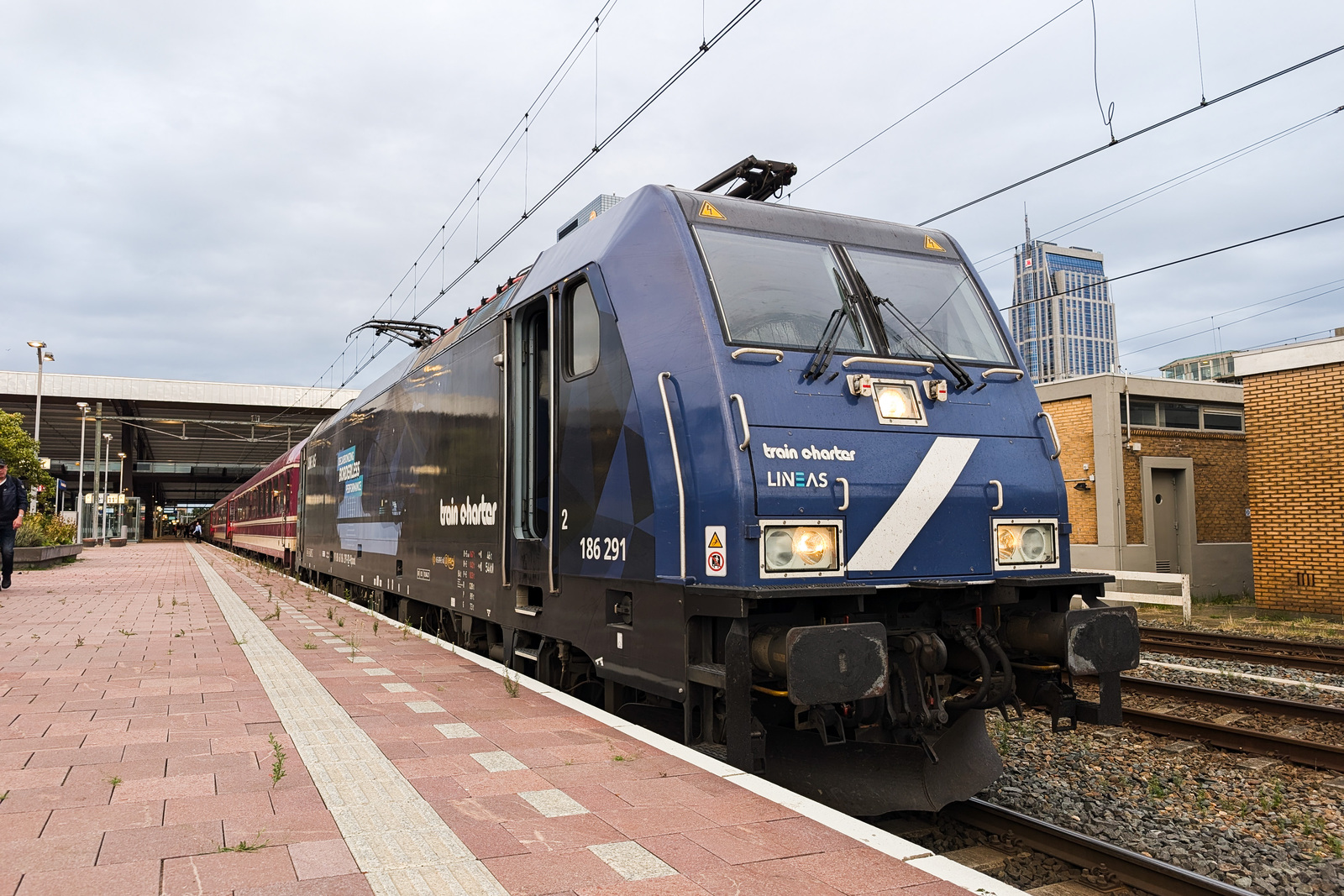
You go to sleep in Brussels and wake up in Prague — no airport, no security queue, no 6am alarm. European Sleeper’s overnight route is one of the most genuinely exciting additions to European rail in years, running through Amsterdam and Berlin along the way. Here’s what the cabins actually look like, whether you get fed, and how the schedule really works before you book.
The Route, Concretely
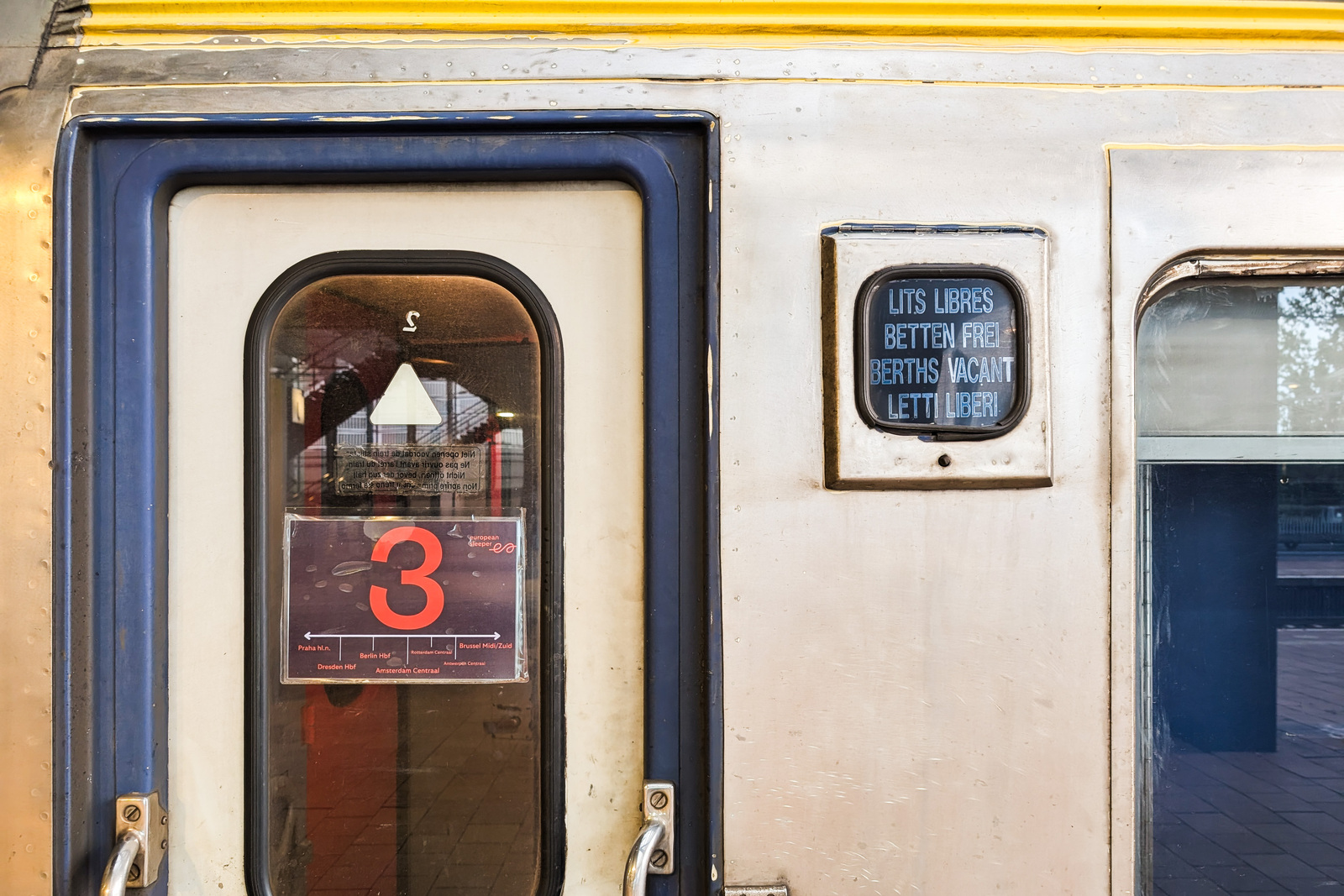
Full stop list: Brussels, Antwerp, Rotterdam, The Hague, Amsterdam, Berlin, Dresden, Bad Schandau, Děčín, Ústí nad Labem, Prague.
- Brussels → Prague direct nights: Monday, Wednesday and Friday only, departing Brussels around 7:20pm and arriving in Prague around 10:56am the next morning — roughly 15 hours door to door. (Prague → Brussels runs Sunday, Tuesday, Thursday evenings.)
- Stops along the way: Antwerp, Rotterdam, The Hague and Amsterdam before crossing into Germany, then Berlin, Dresden and Bad Schandau, before following the scenic Elbe river valley through Děčín and Ústí nad Labem into Prague.
- Just doing Brussels–Berlin? That leg runs nightly, not just three times a week — it’s the Prague extension specifically that’s limited to alternate days, so check which city you’re actually ending in before you lock in dates.
Not the only European Sleeper route. Brussels–Prague was the operator’s original line (running since 2023), but two more now exist: a Paris–Berlin sleeper via Brussels (running since March 2026, with a Hamburg stop added July 2026), three nights a week each way, and a brand-new Brussels–Milan route via Zürich and the Gotthard line, set to launch 9 September 2026 (Mon/Thu/Sat southbound, Wed/Fri/Sun return). If Prague is not actually where you’re headed, it’s worth checking whether one of the others fits your trip better before you book.
Where You Actually Sleep
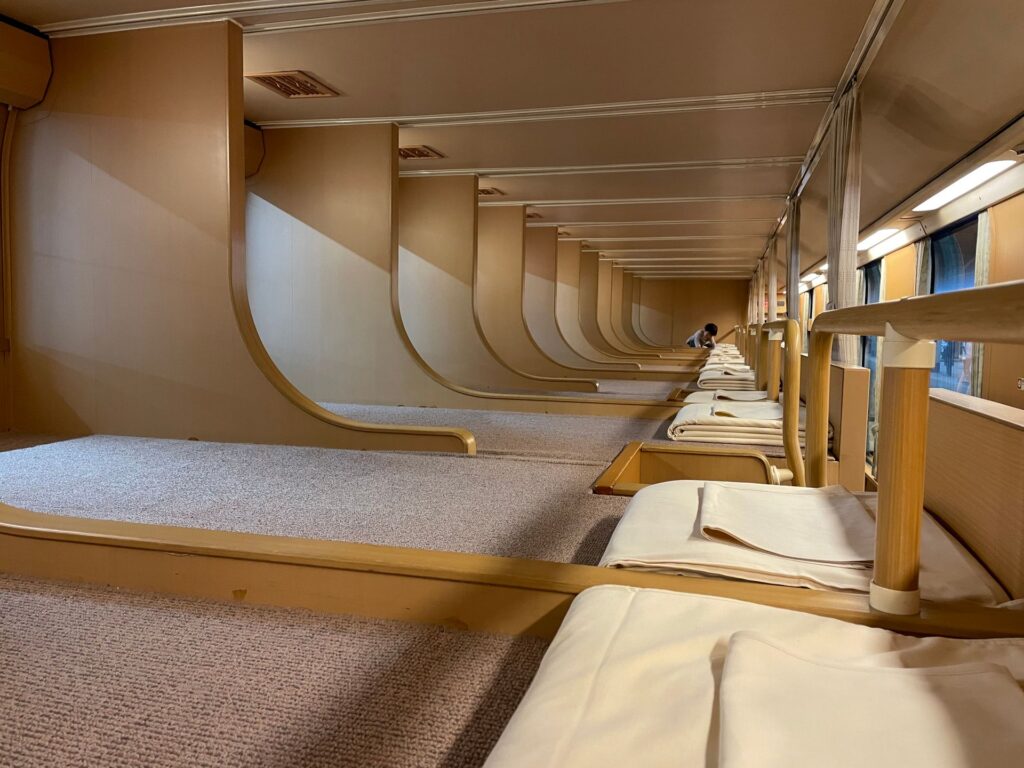
- Comfort Class: Private compartments with a maximum of 3 berths, made up with proper sheets and a duvet, plus your own washbasin. This is the closest thing to a hotel room on the train, and it’s the only class where breakfast is included in the price.
- Classic Class: Shared 5-person couchette compartments — bench seats by day that fold out into couchette beds at night, with a sheet, blanket, pillow and bottle of water provided.
- Budget Class: A reclining seat in a shared compartment or open-plan carriage — cheapest option, no bed, best suited to shorter hops rather than the full Brussels–Prague run.
Do You Get Fed?
Set expectations here: there’s currently no dining car on European Sleeper. Snacks and drinks are available for purchase from onboard staff, so it’s worth bringing something more substantial for the evening if you’re picky. Breakfast is included automatically if you’ve booked Comfort Class; in Classic or Budget it’s a paid add-on and, realistically, a fairly modest one — a croissant and a bottle of water rather than a full spread. Bring your own coffee if that’s a dealbreaker.
Practical Tips
- Book the Prague dates first. With only three departures a week each way, the Prague-bound cabins — especially Comfort — sell out faster than the more frequent Brussels–Berlin-only nights.
- Booking window: tickets typically go on sale many months ahead, and fares work like flights — the earliest bookers get the cheapest price bracket, with cost rising as each cabin fills up. If your travel dates are fixed, booking early is worth real money, not just peace of mind.
- Looking for a discount? European Sleeper’s own newsletter is the legitimate place to catch periodic promo codes — be wary of third-party “coupon” sites promising steep percentage-off codes for train travel; several we checked looked unreliable.
- Pack like it’s a red-eye flight, not a hotel stay: eye mask, earplugs, a refillable water bottle, and a light layer — carriages can run cool overnight.
- Border/ticketing logistics are handled by the single booking — you don’t need separate tickets for the Belgian, Dutch, German and Czech legs.
- This is still a young route (it only launched in 2023), so onboard service and schedules have been known to shift — check your booking confirmation close to travel date.
The Eco Case, Honestly
Rail is genuinely, substantially lower-carbon than flying for this route — this isn’t marketing spin, it’s just how electrified train travel compares to jet fuel per passenger. We won’t invent a precise percentage here since it varies by exactly how the electricity is generated and how full the flight would have been, but the direction and scale of the difference is well established. If cutting flying is part of why you’re looking at this in the first place, it holds up.
Why We Hunted This
Flying Brussels to Berlin takes roughly the same door-to-door time once you count airport transfers, security and check-in — often 4-5 hours all in — for a fraction of the experience. The night train turns that dead time into actual travel: you fall asleep in one country and wake up in another, and if you spring for Comfort Class, you’ve effectively paid for a hotel room and the transport in one ticket.
It’s not without trade-offs — the limited three-nights-a-week schedule to Prague means you have to plan around it rather than the other way round, and the lack of a dining car means this isn’t a fine-dining experience on rails. But for the novelty of the route, the money saved versus a flight-plus-hotel combination, and the sheer straightforwardness of one ticket covering four countries, it’s a genuinely good way to make the journey itself part of the trip rather than dead time to get through.
Frequently Asked Questions
Is there a night train from Brussels to Berlin?
Yes – European Sleeper's Prague-bound service runs through Berlin en route, departing Brussels on Monday, Wednesday and Friday evenings and continuing on to Dresden and Prague the next morning.
Does the Brussels to Prague night train stop in Berlin?
Yes. Berlin is one of the main stops on the route, along with Antwerp, Rotterdam, The Hague and Amsterdam before crossing into Germany, then Dresden before the train arrives in Prague.