Last updated: 4 Sep 2026
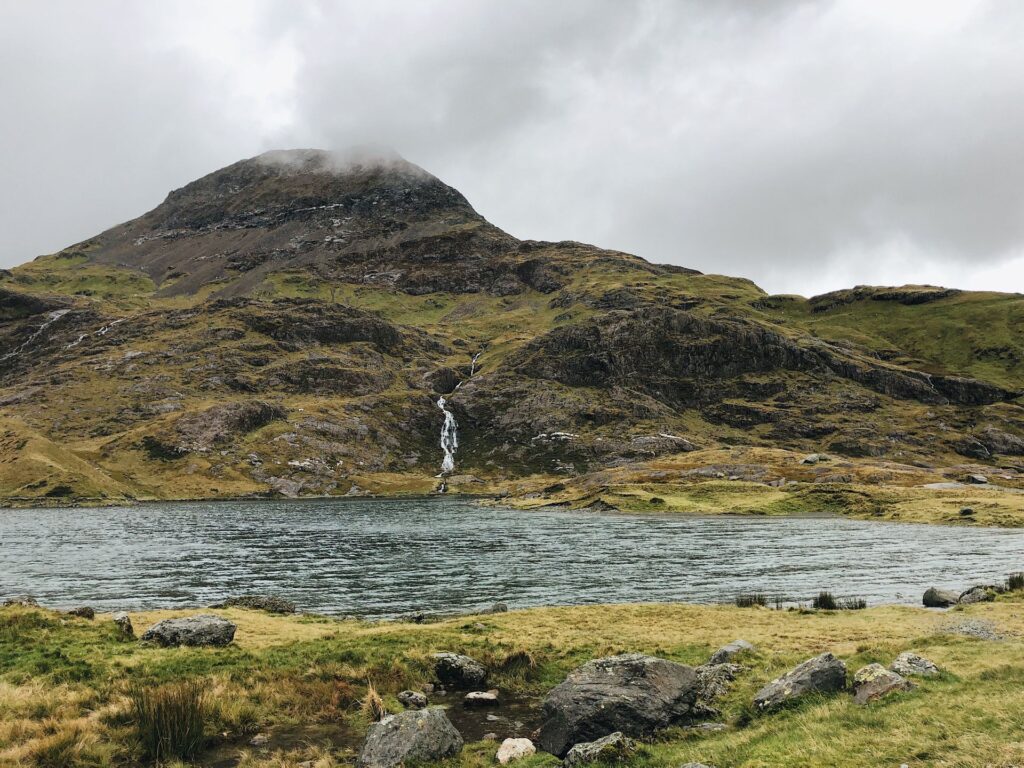
Snowdonia doesn’t do “easy.” Between the shifting weather off the Irish Sea, the scramble routes that look tame on a map and turn into knife-edge ridges in person, and trailheads scattered across a national park with patchy signal and even patchier parking, this is not a place to wing it with a paper map and good intentions. A private guided hike strips out the guesswork and puts a local mountain leader between you and the very real risk of a wasted (or genuinely dangerous) day.
What’s Included
- A qualified, locally based mountain leader for the full day, matched to your group’s fitness and experience level
- Route chosen and adjusted around live weather and ground conditions — Snowdonia’s forecast can flip in an hour
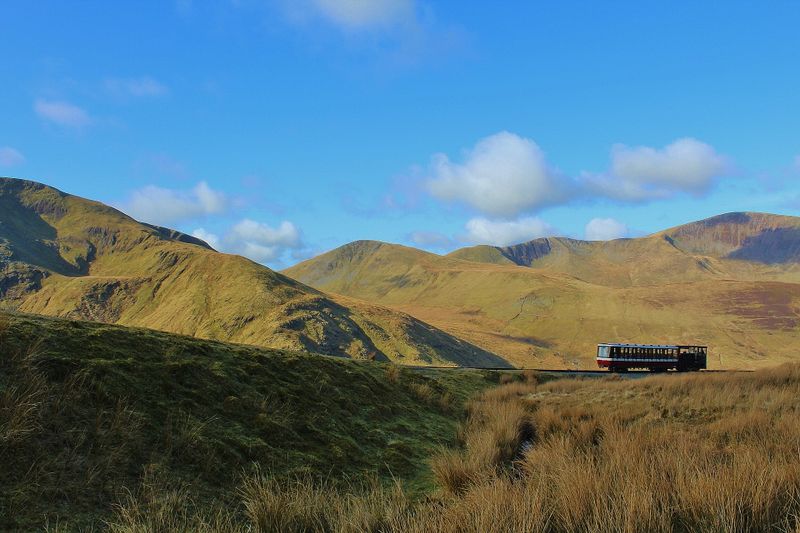
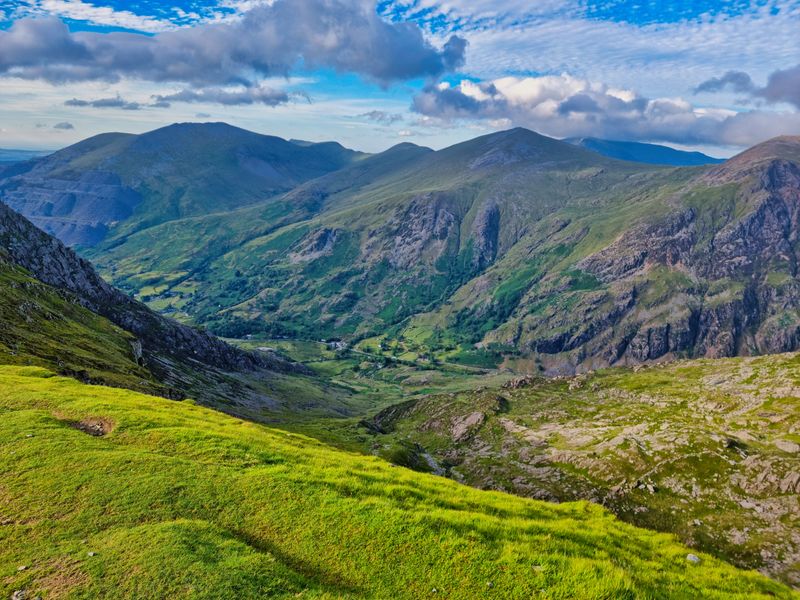
- Choice of terrain: classic Snowdon paths, quieter ridgelines, or lesser-known valleys away from the crowds
- Safety kit, navigation, and river/scramble crossings handled by someone who knows the ground, not an app
- Flexible pace — small kids, keen scramblers, and casual walkers get genuinely different days out
- Local knowledge dropped in along the way: mining history, Welsh place names, wildlife, folklore
Getting This Right
- Best time to go: Late spring (May–June) and early autumn (September) give the best odds of clear summit views without peak-season crowding. July–August is busiest and midge season is real.
- Avoiding the crowds: Snowdon’s main paths (Llanberis, Miner’s Track) get genuinely congested on summer weekends. A private guide can quietly steer you toward Y Lliwedd, the Carneddau, or Cadair Idris instead — arguably better hiking with a fraction of the foot traffic.
- Weather reality check: Conditions on the summit can be 10–15°C colder and far windier than the valley floor. Pack a proper waterproof shell, warm layer, and sturdy boots regardless of the forecast down at the car park.
- Start early: Morning starts (7–8am) beat both the crowds and the afternoon cloud that tends to roll in and swallow the views.
- Bring: layered clothing, waterproofs, 1.5–2L of water, snacks/lunch, headtorch as backup, and cash for tiny café stops in the valleys.
Why We Hunted This
Snowdon itself is free to climb and there are dozens of guidebooks telling you which path to take. So why pay for a private guide? Because the terrain and weather in this park have a habit of punishing confidence. Mountain rescue teams in Snowdonia respond to hundreds of call-outs a year, and a meaningful share involve walkers who were under-equipped, misjudged the route, or got caught out by weather that turned faster than expected. A guide isn’t a luxury here so much as a decent insurance policy with a personality.
There’s also the access problem. Some of the best routes — quieter ridge walks, scramble lines, valleys with genuine solitude — aren’t the ones that show up on the first page of a hiking app. A local guide knows which car parks fill by 8am, which paths are eroded or closed for restoration, and which “shortcut” is actually a bog. That’s local knowledge you can’t buy in a guidebook.
On price, a private full-day guided hike typically runs a few hundred pounds for a small group — noticeably more than a free DIY walk, but roughly comparable to (often cheaper than) booking an organised group tour once you factor in that you get a guide entirely to yourselves, a custom route, and a pace that suits your group rather than the slowest stranger in a coach party. For a first-timer, a family with mixed abilities, or anyone wanting Snowdon without the queue for the summit selfie, that’s money well spent.
🇬🇧 More UK Days Out
- ➔ Cambridge Free Walking Guide: Colleges, Punts & Hidden Courtyards
- ➔ York’s Free Hidden Gems: City Walls & Shambles Walking Guide
- ➔ Budget Guide to Bath: Roman Baths and Beyond for Less
- ➔ Free Things to Do in London Most Tourists Never Find
- ➔ Cotswolds Hidden Gems: Free & Cheap Beyond the Postcards
- ➔ The Ultimate Lake District Weekend: From Causey Pike to Derwentwater
- ➔ A 2-Day Peak District Itinerary: Mam Tor, Castleton, Stanage Edge & Padley Gorge
- ➔ Hadrian’s Wall: How to See the Roman Empire for Free in 2026