Checked for accuracy before publishing
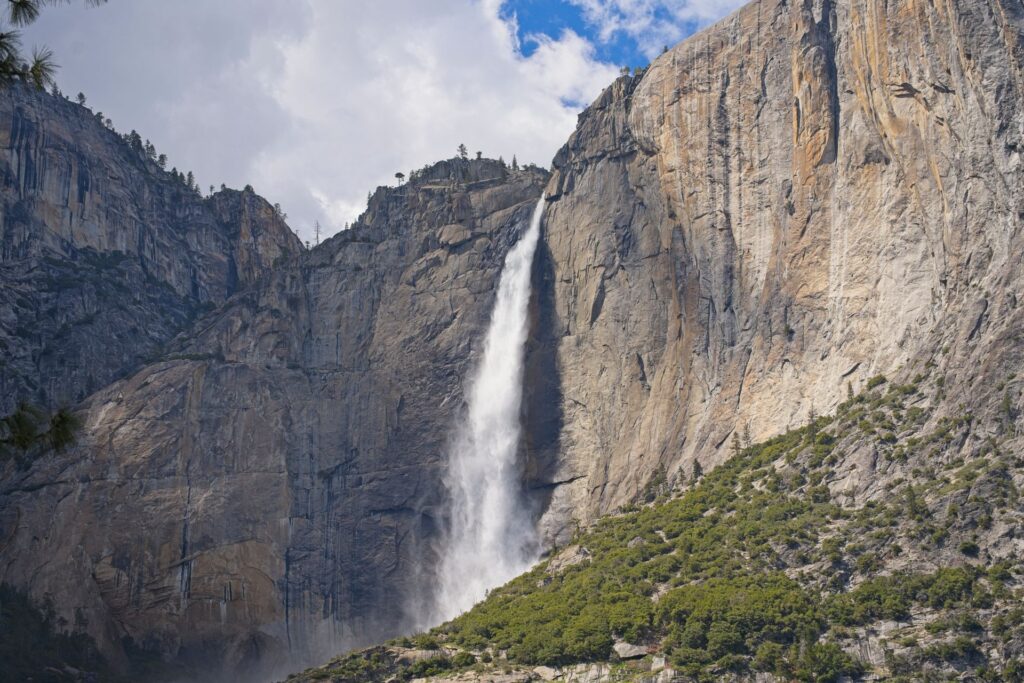
Everyone photographs Yosemite Falls from the valley floor, snaps a selfie, and leaves. Meanwhile, a network of quieter cascades — tucked behind granite shoulders and reached by trails most day-trippers never notice — sits almost empty even in peak season. A private guide is the difference between hiking past these hidden falls and actually finding them, on a route timed to your legs and your schedule instead of a tour bus clock.
What’s Included
- A private, licensed local guide (not a group tour) who tailors the route to your fitness level and pace
- Access to lesser-known cascades off the main Valley loop, away from the Mist Trail crowds
- Door-to-door or trailhead pickup logistics, sidestepping the valley’s notorious parking crunch
- Real-time route flexibility based on trail conditions, snowmelt, and seasonal waterfall flow
- Local ecology, geology, and Ahwahnechee history woven into the hike rather than a canned script
- Photo stops planned around light and crowd gaps, not a fixed itinerary
Practical Tips
- Best time to visit: Late spring through early summer (roughly May–June) is when snowmelt feeds the falls hardest; by late summer many of the smaller cascades thin out considerably.
- Avoiding crowds: The Valley’s headline trails get busy fast. Chilnualna Falls is a well-kept secret in Yosemite, simply because the majority of visitors to Yosemite National Park don’t venture beyond the main loop — which is exactly why guides favor it.
- Shuttle awareness: If you’re exploring solo before or after a guided day, know that the Valleywide Shuttle serves all stops in Yosemite Valley, including lodges, food service, campgrounds, and trailheads, with buses arriving every 12 to 22 minutes from 7:00 AM to 10:00 PM.
- Entry costs: A standard vehicle pass covers seven consecutive days, so if you’re doing multiple hikes across a trip, one pass carries you through the whole visit.
- What to bring: Sturdy boots with grip (granite gets slick near spray zones), a refillable water bottle, layers for temperature swings between valley floor and elevation gain, and a rain shell if hiking near falls in spring.
- Book ahead: Private guides run small numbers of slots per day, and the good ones sell out well before peak wildflower and waterfall season.
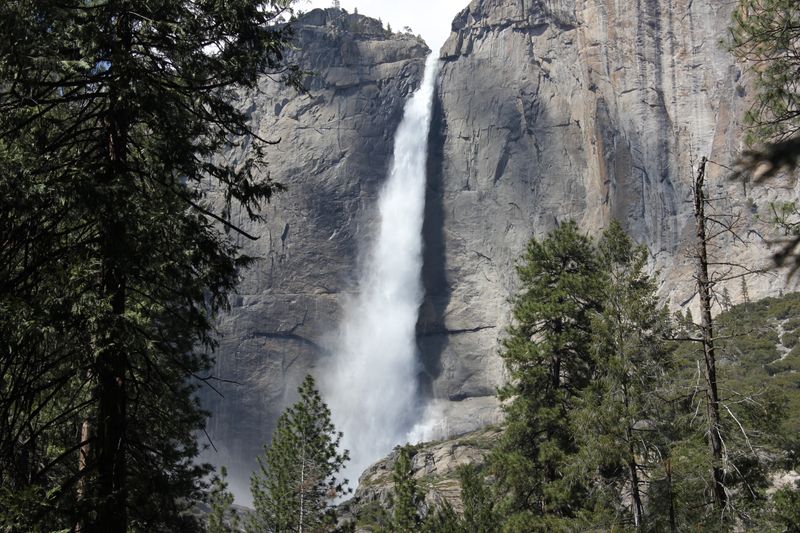
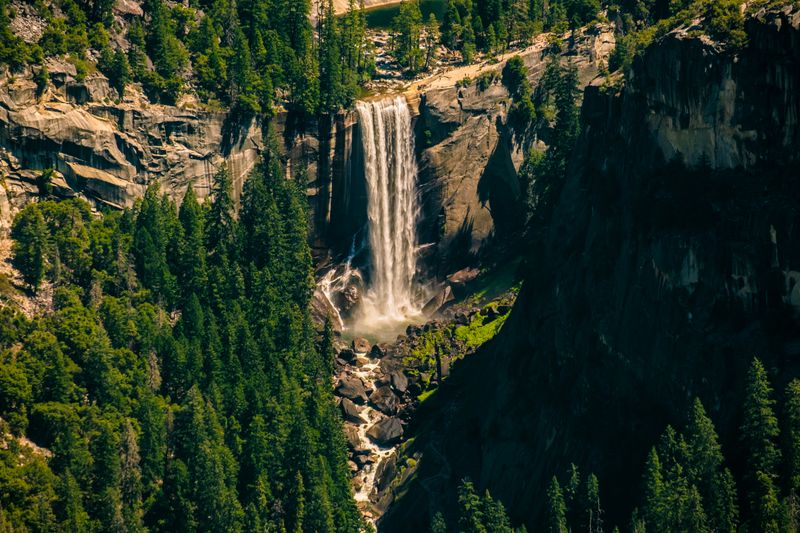
Why We Hunted This
Yosemite’s parking situation alone justifies a guide. Trailhead lots near the popular cascades fill by mid-morning in season, and unauthorized roadside parking gets ticketed or towed — a headache nobody wants to deal with after driving hours to get here. A guide who already knows the quiet pull-offs and timing windows saves you the circling, the stress, and often an hour or more of your day.
Then there’s the route-finding itself. The hidden falls worth chasing aren’t always signposted the way the headline trails are, and conditions shift fast — a cascade that’s a raging torrent in May can be a trickle by August. A private guide adjusts on the fly, swapping in a fuller waterfall or a quieter path depending on what the season’s actually delivering, something no self-guided map or app can replicate in real time.
On cost, a self-guided day still means paying park entry, possibly a shuttle or gas, and gambling on whether you find the good stuff at all. A private guided hike runs at a noticeable premium over doing it solo, but when you factor in the hours saved on navigation, parking, and dead-end trails, plus the near-certainty of actually seeing the falls at their best, the math tends to favor the guide — especially if you’re only in the park for a day or two and can’t afford to waste hours guessing.
Frequently Asked Questions
What is a hidden waterfall in Yosemite?
Chilnualna Falls is one of the best-kept secrets, mainly because most Yosemite visitors never venture beyond the main Valley loop where the well-known falls are.
When is the best time to see Yosemite's waterfalls?
Late spring through early summer (roughly May-June), when snowmelt feeds the falls hardest – by late summer many of the smaller cascades thin out considerably.