Last updated: 4 Sep 2026
Vienna’s imperial reputation makes it sound like a city built for big budgets, but the truth is the best parts are hiding in plain sight — and they don’t cost a cent. The former Habsburg court left behind sprawling palace gardens, quiet arcaded courtyards, and rose-filled parks that are open to anyone, all day, every day. Skip the queue at the palace ticket office and spend your money on schnitzel instead.
What’s Included
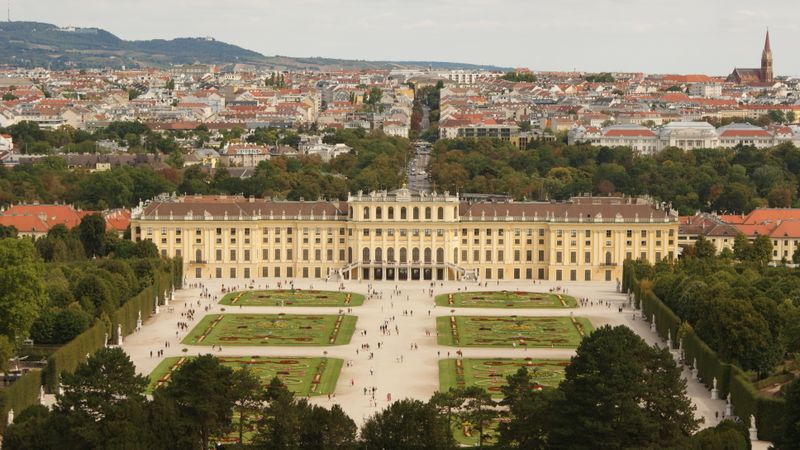
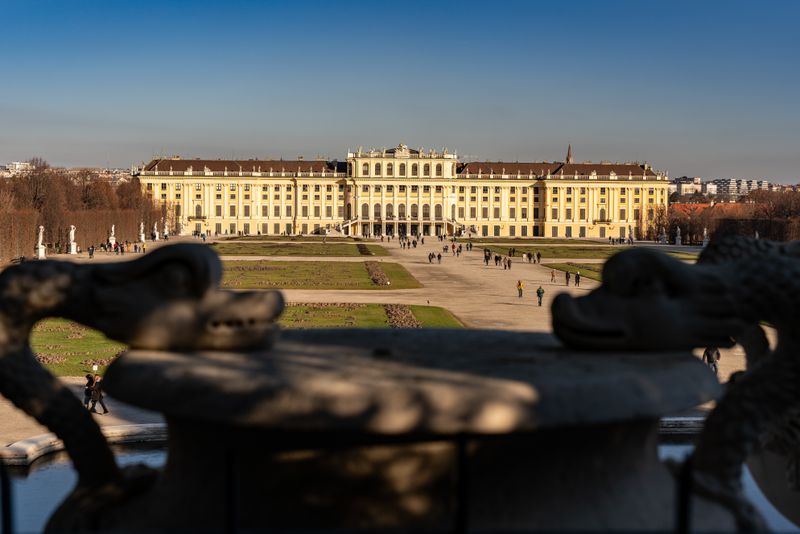
- Free entry to the sprawling Schönbrunn Palace Park (the palace interior and special garden attractions like the Maze and Gloriette terrace still charge, but the grounds themselves don’t).
- Free, year-round access to the Belvedere Palace gardens, with those famous cascading fountains and skyline views of the city.
- The Volksgarten and Burggarten — two connected palace gardens right by the Hofburg, both free from dawn to dusk.
- Hidden Old Town courtyards, including the glass-domed Freyung Passage tucked inside Palais Ferstel, which is free to wander at any time.
- Bonus evening museum access: the Belvedere museum itself waives its admission fee one evening a month, so you can pair the free gardens with free art if your timing lines up.
- Zero-cost strolling through Hofburg’s inner courtyards and Heldenplatz, the historic heart of the palace complex.
Practical Tips: Timing, Crowds, and Parking
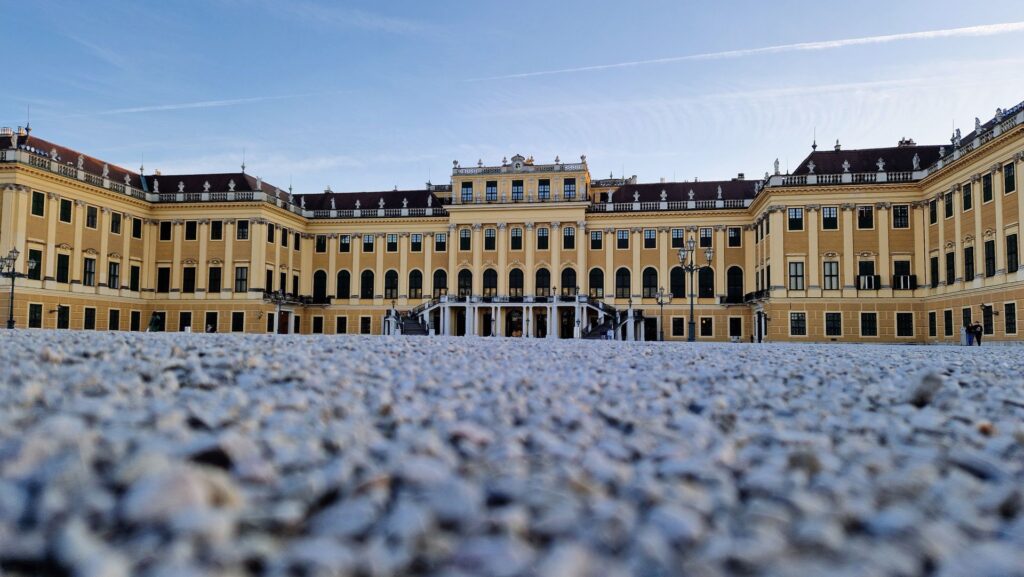
- Go early. Schönbrunn’s park gates open at 6:30am year-round, so an early arrival means empty gravel paths and soft light for photos before the tour buses show up.
- Belvedere at golden hour. The Belvedere gardens are open daily from roughly 6:30am until dusk, and the Upper Belvedere’s fountains look best in the late afternoon when the crowds thin out.
- Don’t drive if you can help it. Vienna’s short-term parking (Kurzparkzone) rules apply on weekdays from 9am to 10pm, capping street parking at two hours and requiring a paid voucher — but that also means evenings, nights, and weekends are typically free for on-street parking in most zones. Time a Saturday or Sunday visit and you may not need to pay for parking at all; otherwise, park at the edge of the centre and take the U-Bahn in.
- Bring water and comfortable shoes. These gardens are big — Schönbrunn’s park alone covers a huge swath of the city’s south side — and there are few shaded benches near the entrances.
- Combine your route. Volksgarten and Burggarten sit back-to-back near the Hofburg, so you can walk both in under an hour before continuing on to the Ringstrasse.
- Look up in the courtyards. The Freyung Passage’s glass-roofed inner court is easy to miss from the street — walk all the way through Palais Ferstel from Freyung square to find the fountain and arcades.
Why We Hunted This
Palace admission in Vienna adds up fast once you factor in Schönbrunn’s interior tour, Belvedere’s museum ticket, and the inevitable coffee-and-cake stop after. A family of four doing the “full palace circuit” with paid tours at two or three sites could easily be looking at a triple-digit euro afternoon before lunch is even on the table.
The gardens, by contrast, cost nothing regardless of how long you linger — and honestly, the grounds are often the main event anyway. Nobody remembers the ticket stub; they remember the view of the Gloriette from the Schönbrunn lawn or the fountains at Belvedere with the Vienna skyline behind them.
That’s the whole logic behind this deal: pair free, verified-open-to-the-public spaces with smart timing (early mornings, weekend parking windows, that one free museum evening a month) and you get the postcard version of Vienna without the admission-fee version of the bill. Save the ticket money for the one palace interior you actually want to see, and let the gardens and courtyards fill in the rest of the day for free.
🏰 More European Escapes
- See all 30 free destinations in our World Index →
- ➔ Prague’s Best Free Viewpoints Over Charles Bridge (No Ticket Needed)
- ➔ Budapest on a Budget: Free Thermal-Bath Views & Ruin Bars
- ➔ Barcelona Hidden Gems: Free Escapes From the Las Ramblas Crowds
- ➔ Free Things to Do in Amsterdam (Beyond the Canal Cruises)
- ➔ Santorini Hidden Gems: Free Sunsets Beyond Oia’s Crowds
- ➔ Dubrovnik City Walls Without the Crowds (Or the Full Price)
- ➔ Geiranger on a Budget: Skip the Cruise, Keep the Views
Frequently Asked Questions
What free palace gardens can you visit in Vienna?
Schonbrunn Palace Park (the grounds, not the palace interior), the Belvedere Palace gardens, and the Volksgarten and Burggarten next to the Hofburg are all free to enter, every day.
Is Schonbrunn Palace free to visit?
The palace interior charges an entry fee, but the surrounding park and gardens are free and open daily from 6:30am.