Last updated: 4 Sep 2026
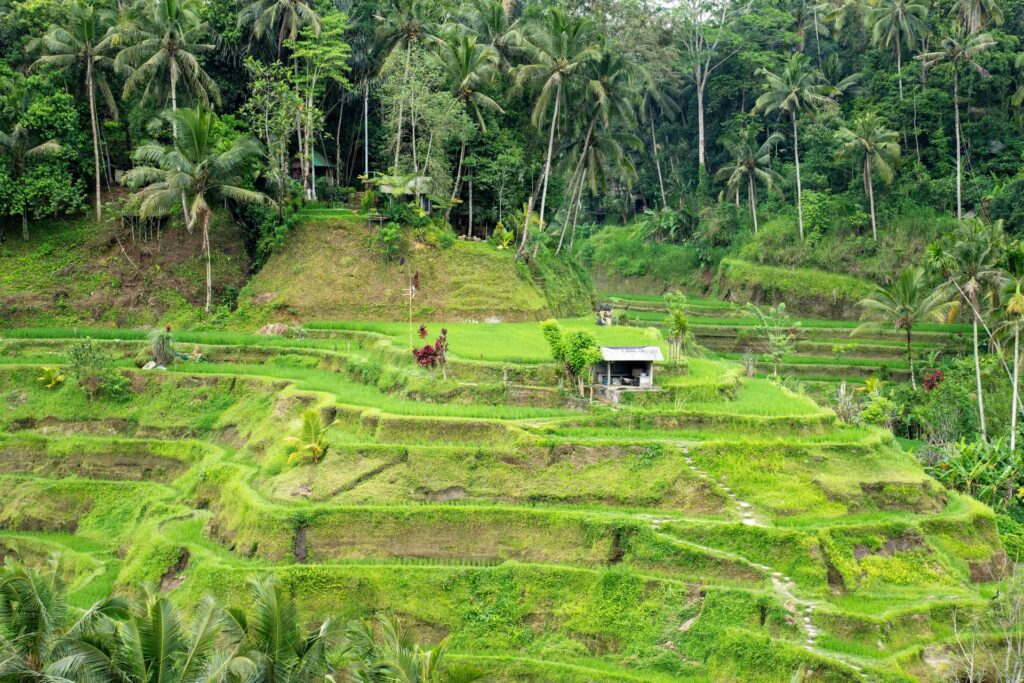
Bali’s postcard shots — jungle waterfalls, jade-green rice terraces stepping down a hillside — don’t actually require a big budget. A handful of the island’s best viewpoints are either completely free or cost little more than the price of a coconut, and with a bit of planning you can string several together in a single day without ever queuing behind a tour bus.
Why This Works
- Several of the most photogenic spots, like Ubud’s Campuhan Ridge Walk, have no ticket booth at all — they’re public paths through farmland and forest.
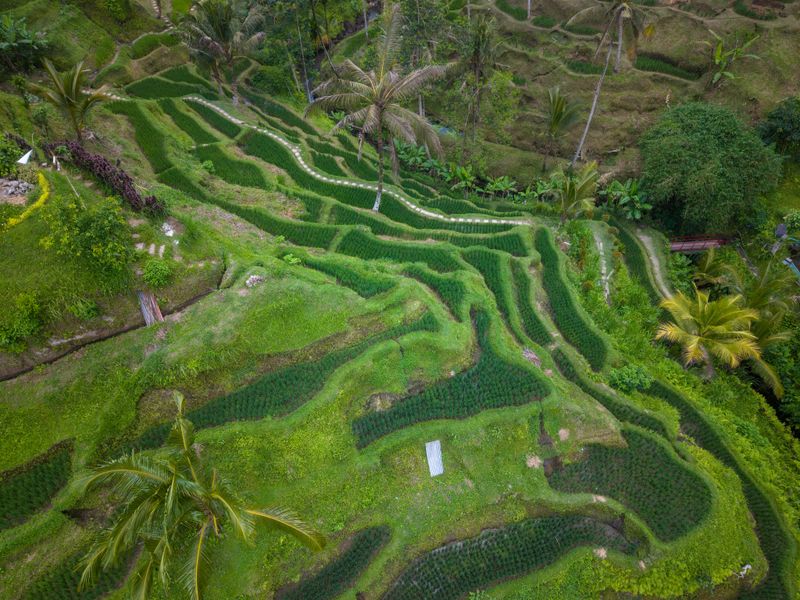
- Rice terraces such as Tegallalang and Jatiluwih are technically “pay what’s asked” at most access points, so a small, informal contribution to the local farming community is often the only cost.
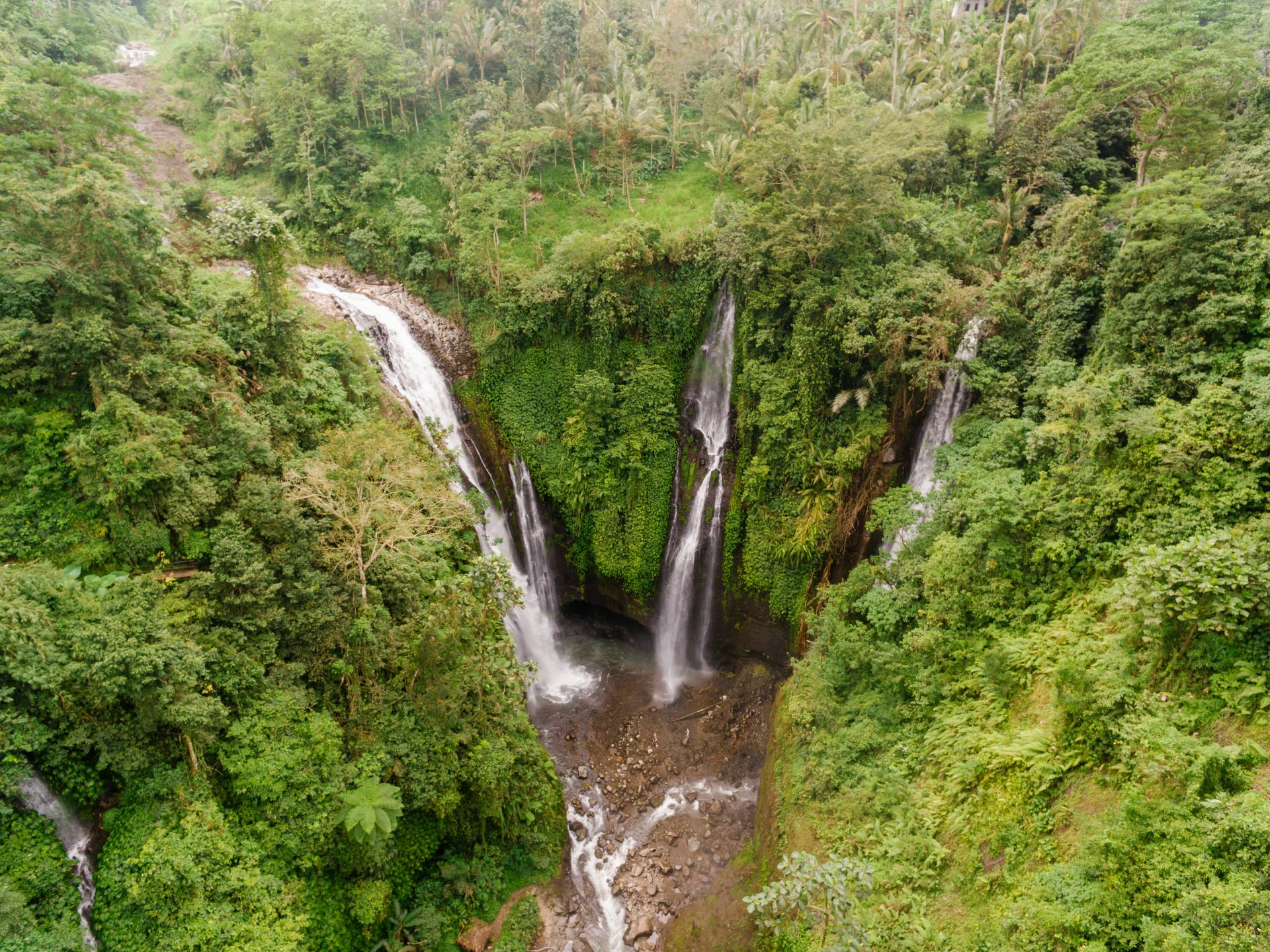
- Waterfalls on village-managed land (Tegenungan, Tibumana, Tukad Cepung and friends) charge a modest entrance and parking fee that goes toward upkeep and safety, not tourist mark-up.
- Going early sidesteps both the crowds and the tour-group pricing pressure that pushes up informal “guide” and parking fees later in the day.
- You can combine a waterfall and a rice terrace in the same loop (Ubud–Tegallalang–Tegenungan is a classic), cutting transport costs per stop.
- Many of these sites sit just off the main road, so a scooter or a shared driver for a few hours works out far cheaper than a packaged “waterfall tour.”
How to Do It Right
- Go at first light. Rice terraces photograph best in the soft, low sun before 8am, and waterfalls are noticeably quieter — and cooler for swimming — before the day-trip vans arrive mid-morning.
- Bring small rupiah notes. Entrance booths, parking attendants and terrace-access points almost always want cash, and having exact change avoids “no small bills” haggling.
- Wear proper footwear. The paths down to waterfalls like Tegenungan or Tukad Cepung involve steep, often slippery steps — flip-flops are a false economy when you slip and need a taxi to the clinic.
- Skip the paid photo props. Swings, nests and “Instagram platforms” at rice terraces are separate businesses charging their own fee on top of entry — happily skippable if you’re on a budget.
- Park where locals park. At busy sites, official lots sit right by the entrance; wandering vendors sometimes wave visitors into informal “parking” further out for the same or higher price, so head straight for the marked lot.
- Pack a dry bag and cash-only mindset. Card machines are rare at these community-run sites, and a dry bag protects your phone and wallet if you’re swimming under a falls.
- Combine stops geographically. Ubud-area waterfalls and terraces cluster within a 30–40 minute drive of each other, so plan a loop rather than backtracking.
Why We Hunted This
Bali’s organised “waterfall and rice terrace” day tours are everywhere, and they’re not bad value if you want a driver and a fixed itinerary handled for you. But a big chunk of what you’re paying for is convenience, not access — the sites themselves are largely open to anyone who turns up with a bit of cash for entry and parking.
Do the maths and the gap is real: a private tour bundling a few waterfalls and terraces can easily run to the cost of a nice dinner for two, while doing the same loop independently on a scooter or with a driver hired by the hour typically comes in at a fraction of that, even after every entrance fee and parking ticket is paid.
That’s the whole point of hunting deals like this one — not finding something disreputable or “secret,” just cutting out the markup on things that were never expensive to begin with. Bali’s landscape is the real draw; you just don’t need a middleman to see it.
🌏 More Asia Travel Guides
- See all 30 free destinations in our World Index →
- ➔ Bangkok Hidden Gems Away From Khao San Road (Mostly Free)
- ➔ Kyoto on a Budget: Free Bamboo Groves & Hidden Temples
- ➔ Tokyo’s Free Hidden Gems: Temples & Viewpoints Beyond Shibuya
- ➔ Hanoi & Ha Long Bay on a Budget: Free Views, Hidden Alleys
- ➔ Singapore’s Free Hidden Gems: Beyond Marina Bay Sands
- ➔ Skip the Sunrise Crush: A Private Angkor Wat Tour Worth the Splurge
- ➔ Mount Batur Sunrise Trek: Why a Private Guide Is Worth It
Frequently Asked Questions
Is the Campuhan Ridge Walk in Ubud free?
Yes – it has no ticket booth at all, just public paths through farmland and forest.
Do you have to pay to see Bali's rice terraces?
Terraces like Tegallalang and Jatiluwih are typically pay-what-you-wish at most access points, so it is a small voluntary contribution rather than a fixed entry fee.