Last updated: 4 Sep 2026
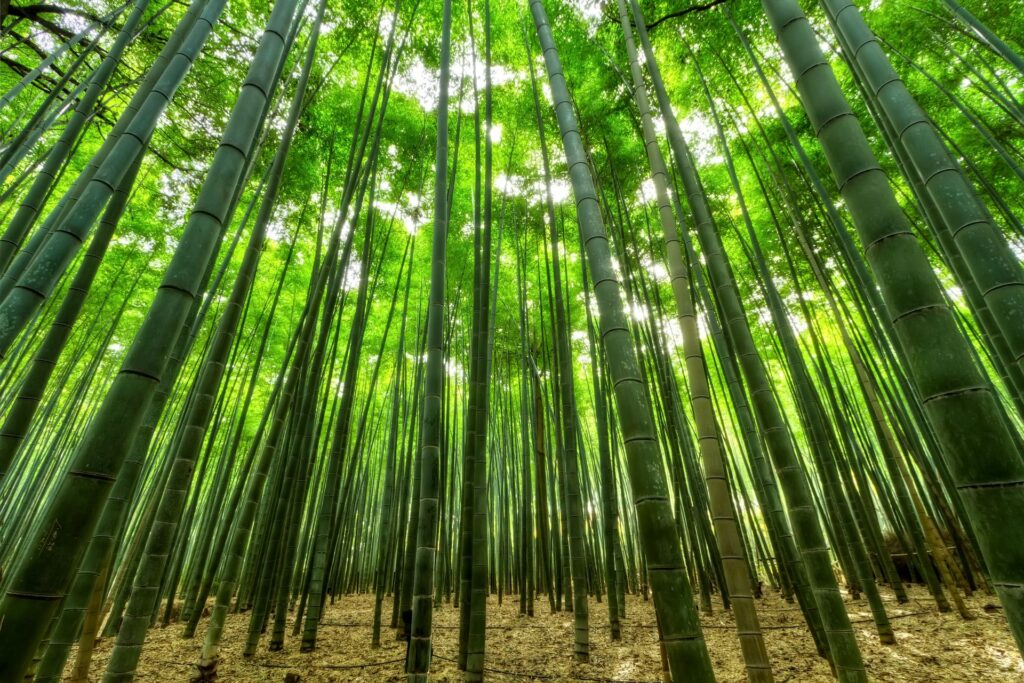
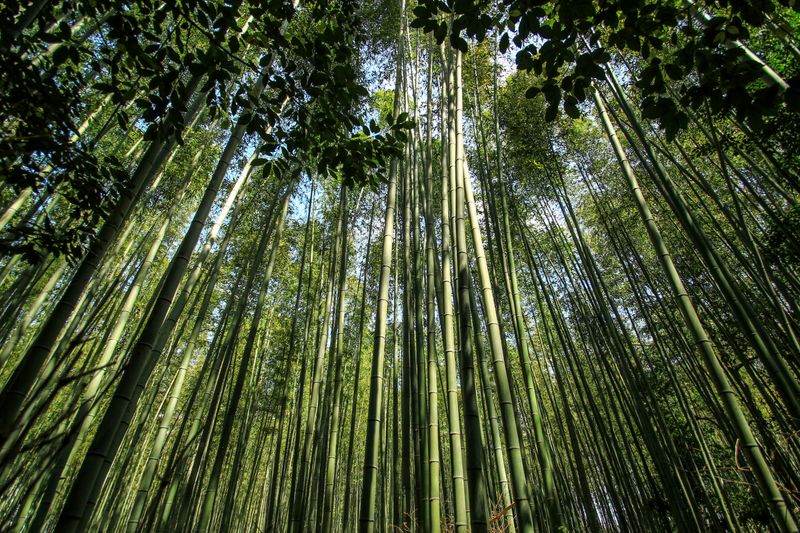
Kyoto has a reputation for being a temple-hopping money pit, but two of its most photographed sights — the Arashiyama Bamboo Grove and the endless orange gates of Fushimi Inari Taisha — cost absolutely nothing to walk through. Add a handful of quieter, low-fee temples in the hills around them, and you can build a full, genuinely magical day in Kyoto without touching your wallet more than once or twice.
Why This Works
- The Arashiyama Bamboo Grove is free to enter — there are no gates, tickets, or turnstiles, just a public path through the towering stalks.
- Fushimi Inari Taisha, the shrine famous for its thousands of torii gates, is free to enter and its trails stay open around the clock, so there’s no ticket booth to queue at.
- Nonomiya Shrine, a small wooden shrine tucked right at the entrance to the bamboo grove, costs nothing to step inside and pair with your bamboo photos.
- Getting between these sights doesn’t require a car — Kyoto’s rail and tram network reaches both areas, so you skip parking fees entirely.
- Several of the smaller hillside temples around Arashiyama charge only a modest entrance fee (a few hundred yen), so you can pick one or two to splurge on and still spend almost nothing overall.
- Both main sights are outdoor, walk-through experiences, so there’s no “closing time” pressure — you set your own pace.
How to Do It Right
- Go at first light. The bamboo grove and the lower stretch of Fushimi Inari’s gates get swarmed by tour groups from mid-morning onward. Arriving as early as the trains allow — well before the day-trip crowds land — gets you clear paths and much better light for photos.
- Take the train, not a taxi or rental car. Arashiyama is served by JR, the Hankyu line, and the scenic Keifuku “Randen” tram, all cheap and frequent. Fushimi Inari sits right by its own JR station. Parking near either site is scarce, pricey, and simply unnecessary.
- Use an IC card. Tapping an ICOCA or Suica card on trains and buses is the easiest way to keep local transport costs low and skip fumbling for exact change or paper tickets.
- Climb a little further at Fushimi Inari. Most visitors turn back after the first dense gate tunnel. Keep walking uphill and the crowds thin out dramatically within ten to fifteen minutes, even though the whole mountain loop takes a couple of hours if you go all the way.
- Pick one paid temple, not five. Around Arashiyama, temples like the moss-covered Gio-ji or the statue-filled Otagi Nenbutsu-ji charge a small entrance fee. Choose the one that matches your interest rather than paying into every gate you pass.
- Pack water and cash in small bills. Shops near the bamboo grove and shrine approach are cash-friendly but don’t always break large notes, and there’s little shade once you’re on the Fushimi Inari trail.
Why We Hunted This
Kyoto itineraries sold as day tours often bundle the bamboo grove and Fushimi Inari with transport, a guide, and sometimes lunch, for a price that can add up quickly for a family or a couple. What a lot of visitors don’t realize is that the two headline sights in those packages are free to walk through on your own — you’re mainly paying for convenience and narration, not access.
By handling transport yourself with a cheap rail ticket or IC card, and reserving paid entry for just one smaller temple that genuinely interests you, you can turn what might have been a pricier guided outing into a nearly free morning, with maybe a coffee and a small temple fee as your only real spend. That’s a meaningful saving stacked up over a multi-day Kyoto trip, especially if you’re combining it with other free-to-wander districts like Gion’s back streets.
None of this requires special timing tricks or insider knowledge — just going early, walking instead of driving, and knowing which gates genuinely need a ticket and which don’t. That’s the whole hack, and it’s why this combination keeps landing on our budget Kyoto list year after year.
🌏 More Asia Travel Guides
- See all 30 free destinations in our World Index →
- ➔ Bangkok Hidden Gems Away From Khao San Road (Mostly Free)
- ➔ Tokyo’s Free Hidden Gems: Temples & Viewpoints Beyond Shibuya
- ➔ Bali on a Budget: Free Waterfalls & Rice-Terrace Views
- ➔ Hanoi & Ha Long Bay on a Budget: Free Views, Hidden Alleys
- ➔ Singapore’s Free Hidden Gems: Beyond Marina Bay Sands
- ➔ Skip the Sunrise Crush: A Private Angkor Wat Tour Worth the Splurge
- ➔ Mount Batur Sunrise Trek: Why a Private Guide Is Worth It
Frequently Asked Questions
Is the Arashiyama Bamboo Grove free to visit?
Yes – there are no gates, tickets or turnstiles, just a public path through the bamboo.
Is Fushimi Inari Taisha free to enter?
Yes, the shrine and its thousands of torii gates are free to enter, and the trails stay open around the clock.