Checked for accuracy before publishing
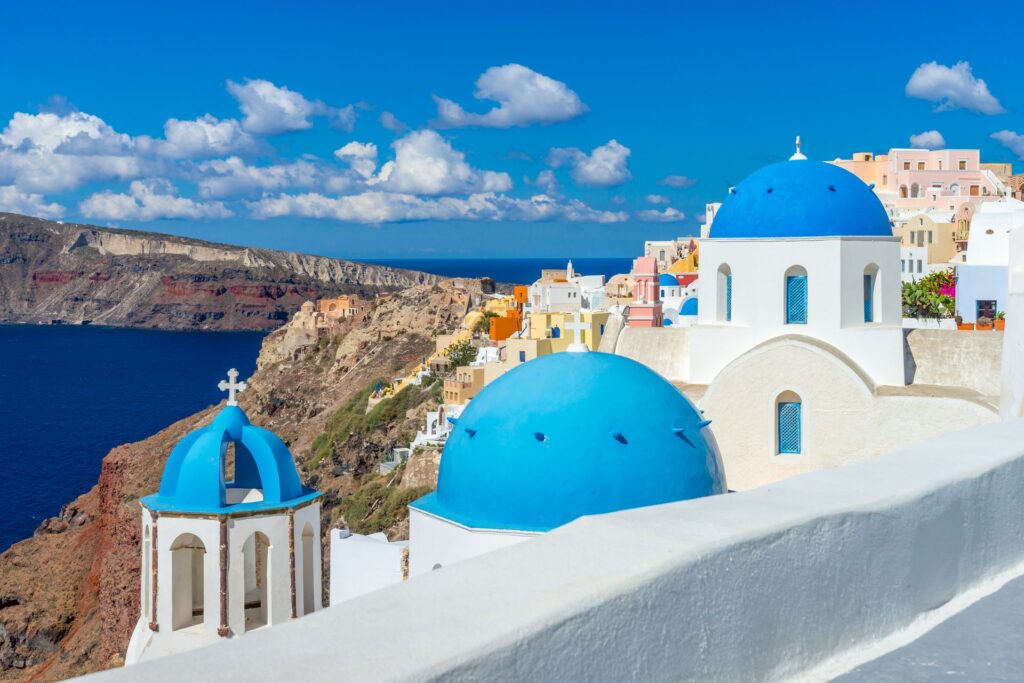
Everyone crams onto the same three feet of caldera wall in Oia every evening, elbowing for a sunset photo that’s already been taken a million times. Skip it. Santorini’s real magic is spread across quiet hilltop villages, free clifftop viewpoints, and black-sand coves that most tour buses never reach — and almost all of it costs nothing beyond the price of a bus ticket or a pair of decent shoes.
Why This Works
- Skaros Rock in Imerovigli is a free clifftop hike that locals will tell you rivals Oia’s sunset — same caldera, same golden light, a fraction of the crowd.
- Pyrgos, the island’s old hilltop capital, has a ruined Venetian kasteli and panoramic views that cost nothing to wander.
- Ammoudi Bay, the little port beneath Oia, lets you get the “Oia view” from sea level with tavernas and cliff-jumping instead of a paywall of tour groups.
- Emporio’s fortified medieval quarter is one of the best-preserved traditional villages on the island and sees a fraction of Oia’s foot traffic.
- Public KTEL buses connect nearly every village on the island for a small flat fare, so you can skip car rental, fuel, and parking stress entirely.
- Vlychada’s dramatic wind-carved cliffs and black-sand beach give you Red Beach-style scenery without the crowded, roped-off access path.
How to Do It Right
- Best time of day: Head to Skaros Rock or Pyrgos Castle about 30-45 minutes before sunset. You’ll get the same sky as Oia with room to actually set up a tripod.
- Getting around cheaply: The island’s KTEL bus network runs regular routes from Fira’s central station out to Oia, Akrotiri, Kamari, and Perissa, with fares set at a flat low rate per trip — far cheaper than a taxi and with no parking headache at the other end.
- Parking smart: If you do rent a car or ATV, park in the free public lots on the outskirts of villages like Pyrgos, Emporio, or Fira rather than trying to squeeze into the pedestrian centers — most historic cores are effectively car-free anyway.
- Akrotiri’s ruins: The Bronze Age settlement at Akrotiri (often called Greece’s “mini Pompeii”) charges a modest entrance fee, well under what you’d pay for a similar guided ruins tour elsewhere, and like most state-run archaeological sites in Greece it typically closes one day a week, so check before you go.
- What to bring: Proper shoes for the Skaros and Pyrgos scrambles, cash for small tavernas that don’t take cards, and a refillable water bottle — shade is scarce on the caldera trails.
- Avoiding crowds: Visit villages like Emporio, Megalochori, or Vothonas in the late morning after the cruise-ship day-trippers have headed to the main caldera towns.
Why We Hunted This
Oia’s sunset has become such a bottleneck that some cafés and rooftop bars now charge a cover or a minimum spend just for a seat with a view, and tour operators bundle “skip-the-crowd” sunset transfers as a premium add-on. Once you factor in parking fees, drink minimums, and the taxi back afterward, a single evening in Oia can easily cost as much as a cheap dinner out — for a view you’re sharing with hundreds of strangers.
The alternative spots in this guide cost roughly the price of a bus ticket, or nothing at all if you’re already walking from your hotel. We’re talking savings that can run into the tens of euros per person once you skip the reserved-view dinner and the round-trip transfer, and you still walk away with caldera views, whitewashed lanes, and a proper Aegean sunset.
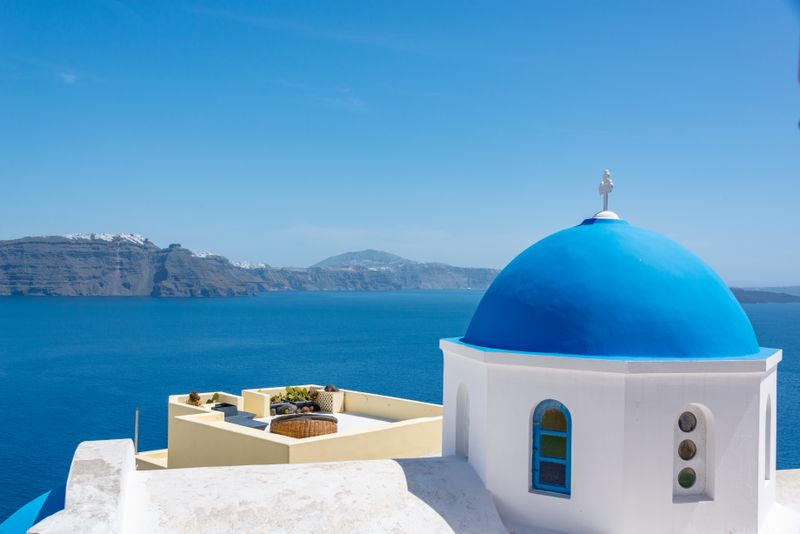
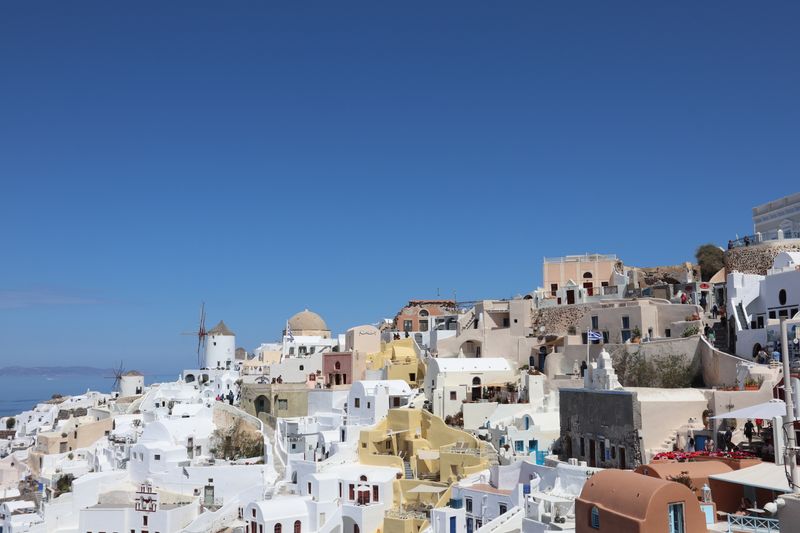
That’s the whole philosophy behind this site: Santorini’s postcard moments don’t have to come with a premium markup. A little research and a short bus ride buys you the same light, the same blue domes, and a lot more breathing room.
🏰 More European Escapes
- See all 30 free destinations in our World Index →
- ➔ Prague’s Best Free Viewpoints Over Charles Bridge (No Ticket Needed)
- ➔ Vienna on a Budget: Free Palaces, Gardens & Hidden Courtyards
- ➔ Budapest on a Budget: Free Thermal-Bath Views & Ruin Bars
- ➔ Barcelona Hidden Gems: Free Escapes From the Las Ramblas Crowds
- ➔ Free Things to Do in Amsterdam (Beyond the Canal Cruises)
- ➔ Dubrovnik City Walls Without the Crowds (Or the Full Price)
- ➔ Geiranger on a Budget: Skip the Cruise, Keep the Views
Frequently Asked Questions
Is there a free alternative to the Oia sunset crowds in Santorini?
Yes – Skaros Rock in Imerovigli is a free clifftop hike with the same caldera views and golden light as Oia, without the crowds.
Is Pyrgos in Santorini free to visit?
Yes, wandering Pyrgos' ruined Venetian kasteli and panoramic viewpoints costs nothing.