Last updated: 4 Sep 2026
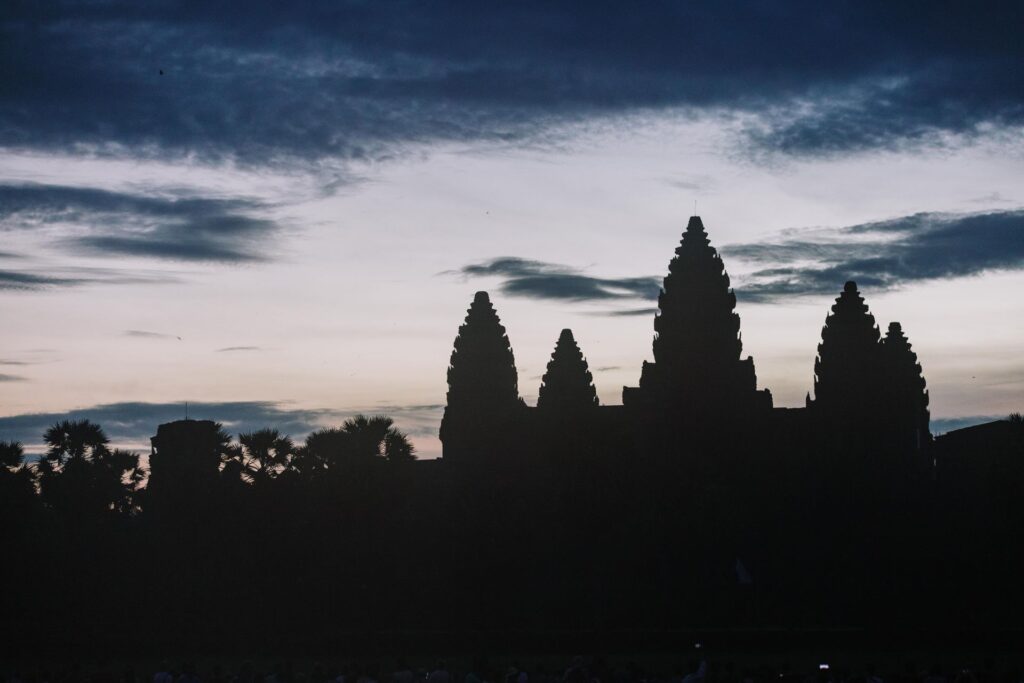
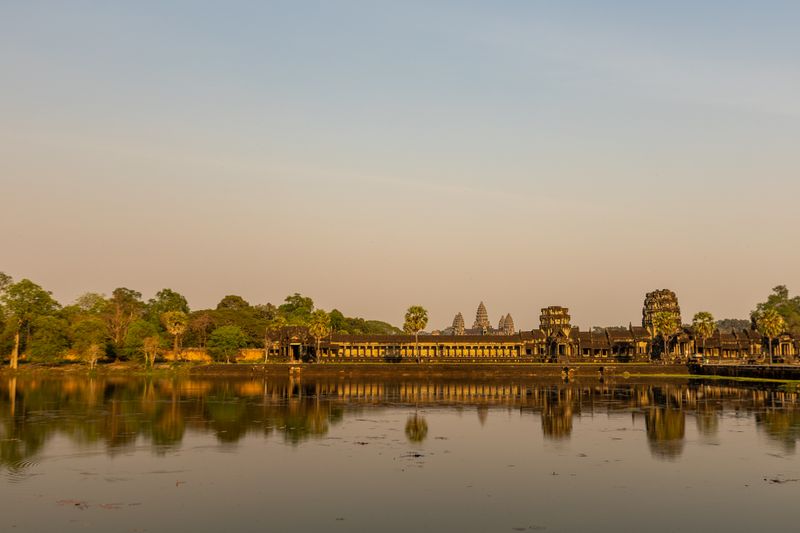
Angkor Wat at sunrise is one of travel’s great postcard moments — and also one of its most crowded, with tour buses disgorging thousands of tripods onto the same strip of grass by the reflecting pool before the sun even clears the horizon. A private guided visit flips the script: you go in on a smarter schedule, skip the ticket-office scrum, and let someone who knows the complex like their own backyard take you to the quiet corners while everyone else is still jostling for a photo. It costs more than a shared minibus tour. Here’s why that premium earns its keep.
What’s Included
- A private, English-speaking (or language of choice) local guide for the day, licensed to work inside the Angkor Archaeological Park
- A flexible route built around your pace — Angkor Wat, Angkor Thom, Bayon, Ta Prohm, and smaller side temples, reordered to dodge the peak crush
- Skip-the-confusion ticket handling, since the Angkor Pass can only be bought at the official Angkor Enterprise ticket center rather than at any temple gate
- Private air-conditioned transport between temples, which matters more than it sounds once the midday heat sets in
- Historical and architectural context on the Khmer Empire that most self-guided visitors simply miss
- Freedom to linger, backtrack, or skip a temple entirely if you’re templed-out — no group vote required
Practical Tips for Beating the Crowds
The Angkor Pass system is non-negotiable and worth knowing before you go: entry to Angkor Wat requires an official pass starting at 37 USD, granting access to the main temple daily between 5:00 AM and 6:00 PM, and it has to be bought through Angkor Enterprise rather than from gate staff, who don’t sell tickets on site. Multi-day options exist too — a three-day pass is valid across a ten-day window and a seven-day pass across a month, which a guide can help you time around your itinerary.
If you do want the sunrise silhouette, know what you’re signing up for: the north reflecting pool in December and January has hundreds of people by 5:30 AM. A good private guide will either get you into a strong position before that swell arrives, or — the smarter move — steer you toward sunrise at a quieter temple and save Angkor Wat’s interior for the window right after, since once the sunrise crowd disperses (around 7:00–7:30 AM), most of them move to Angkor Thom and other temples, leaving Angkor Wat itself significantly quieter for interior exploration.
- Best time to visit: shoulder months (outside the December–January peak) for noticeably thinner crowds
- What to bring: cash in small USD bills, a refillable water bottle, sun protection, and modest clothing that covers shoulders and knees for temple access
- Ticket office: opens early, so buy your pass the afternoon before if possible to avoid the morning queue entirely
- Footwear: sturdy sandals or trainers — the stone staircases at Angkor Wat and Ta Prohm are steep, uneven, and often slick with dew at dawn
Why We Hunted This
On paper, a shared sunrise tour looks like the bargain option. In practice, you’re often herded onto a bus with 20 strangers, dropped at the same crowded pool everyone else is standing at, and given a rigid schedule that doesn’t bend if you want an extra 20 minutes at Bayon or less time trudging around a temple that doesn’t interest you. A private guide typically runs somewhere in the range of a few dozen dollars more per day than a seat on a group tour — not a huge premium once you factor in the private transport and flexible routing that comes bundled in.
What you’re really paying for is logistics you can’t replicate alone: knowing which gate is quietest at which hour, which temples pair well in sequence to avoid backtracking through the heat, and how to time the Angkor Pass purchase so you’re not standing in a ticket line at 4:30am with everyone else. A driver-only tuk-tuk saves you money but leaves you to figure all of this out with a guidebook and guesswork.
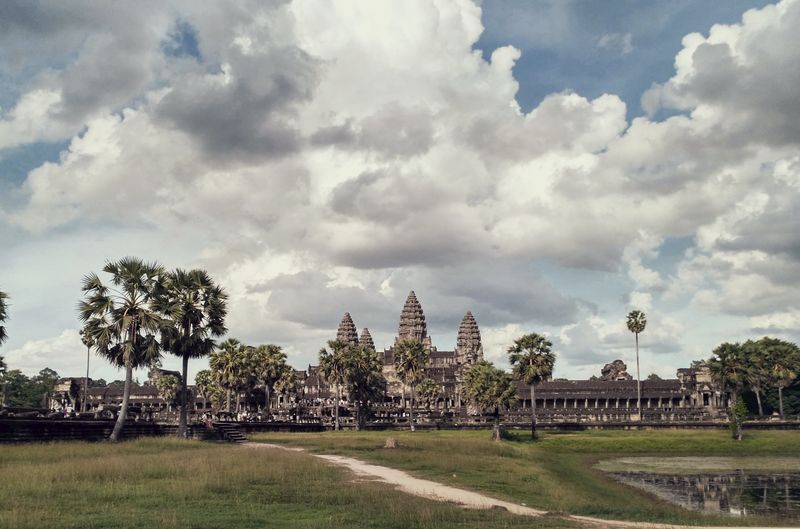
For a UNESCO site this vast — Angkor Thom alone covers several square kilometers, and the full park sprawls far beyond what most visitors ever see — a knowledgeable guide is less a luxury add-on and more the difference between “we saw Angkor Wat” and actually understanding what you were looking at.
🌏 More Asia Travel Guides
- ➔ Bangkok Hidden Gems Away From Khao San Road (Mostly Free)
- ➔ Kyoto on a Budget: Free Bamboo Groves & Hidden Temples
- ➔ Tokyo’s Free Hidden Gems: Temples & Viewpoints Beyond Shibuya
- ➔ Bali on a Budget: Free Waterfalls & Rice-Terrace Views
- ➔ Hanoi & Ha Long Bay on a Budget: Free Views, Hidden Alleys
- ➔ Singapore’s Free Hidden Gems: Beyond Marina Bay Sands
- ➔ Mount Batur Sunrise Trek: Why a Private Guide Is Worth It